Application Case Center
Typical application references organized by monitoring site, operating environment, parameter group and equipment family. These pages do not claim specific customer projects; they help buyers understand where Huisheng products are normally discussed.
Case Center describes where the equipment is used before a solution is selected.
Each application reference helps visitors recognize a familiar site type. It explains common monitoring needs, typical pollutants, equipment categories and related solution paths without inventing customer names, project locations or unsupported project results.
Start from a familiar site, then move into products or solution configuration.
Case Center is the bridge between broad product categories and detailed solution pages. For example, a chemical facility may need wastewater monitoring, VOC monitoring, toxic gas detection and stack emission monitoring at different points.
Facility type, process environment, pollutant sources and maintenance conditions.
Water indicators, gas components, VOC compounds, toxic gases, dust or laboratory indicators.
Online analyzers, CEMS, VOC systems, detectors, samplers, cabinets and laboratory instruments.
The industry page points visitors to the detailed configuration pages for each monitoring point.
Explore typical monitoring sites by operating context
These pages are not fabricated project cases. They are practical reference pages for customers who want to understand what equipment families are normally involved at similar sites.
Cases
Cement, Steel & Metallurgy
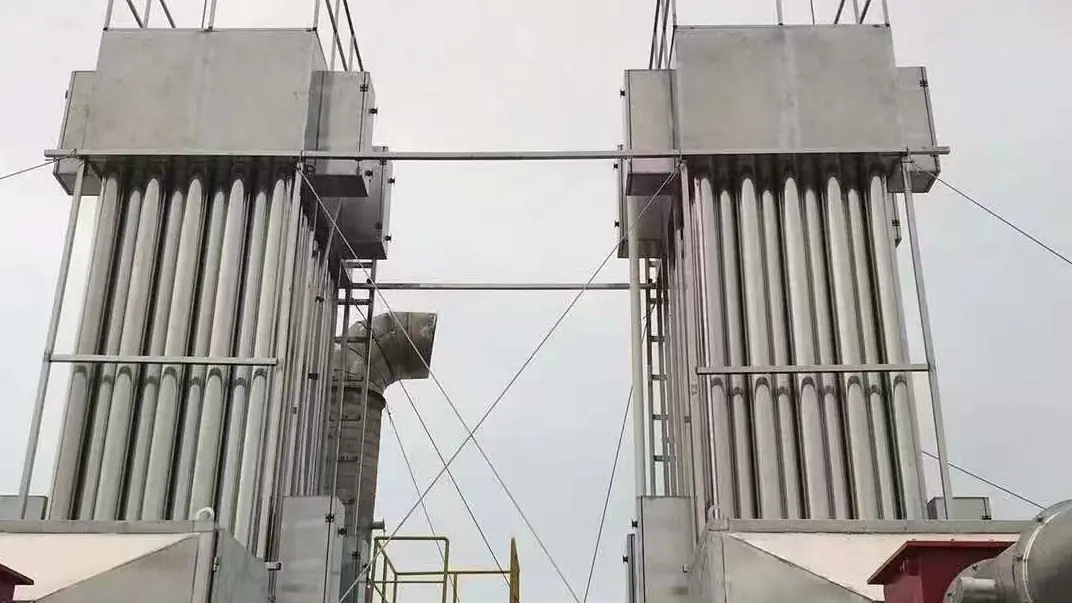
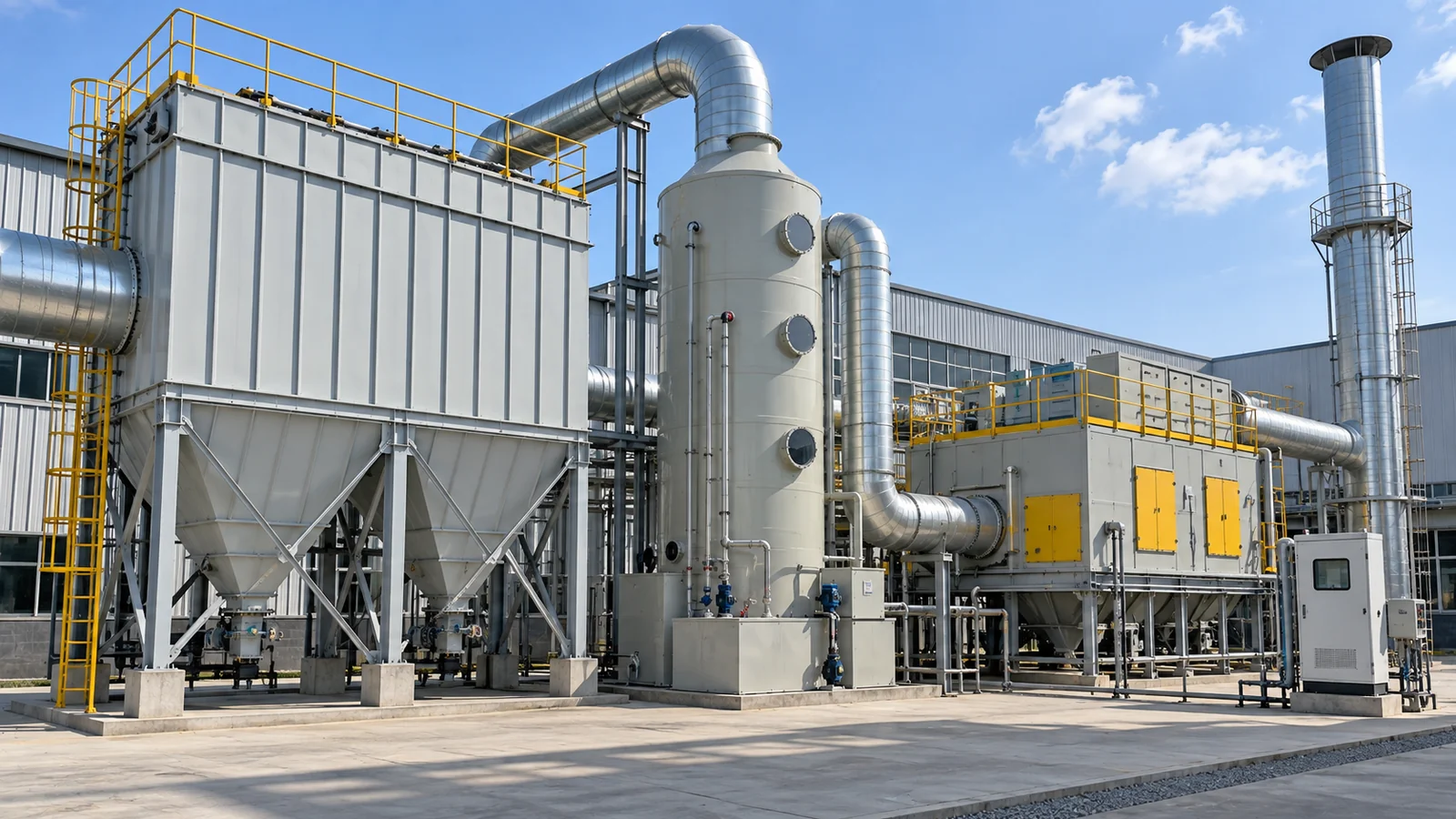
Cement, steel and metallurgy processes often involve high temperature, dust, combustion exhaust and complex stack conditions. Monitoring equipment is matched with stack layout, particulate load, gas moisture and process operation.
COD / NH3-N / TP / TN / Cr
Cases
Chemical & Petrochemical
Chemical and petrochemical sites need monitoring at process wastewater outlets, exhaust treatment systems, VOC source points, storage areas, workshops and plant boundaries. Huisheng separates environmental reporting, safety alarm and sampling verification tasks when reviewing the equipment plan.
COD / NH3-N / TP / TN / Cr
Cases
Power Generation
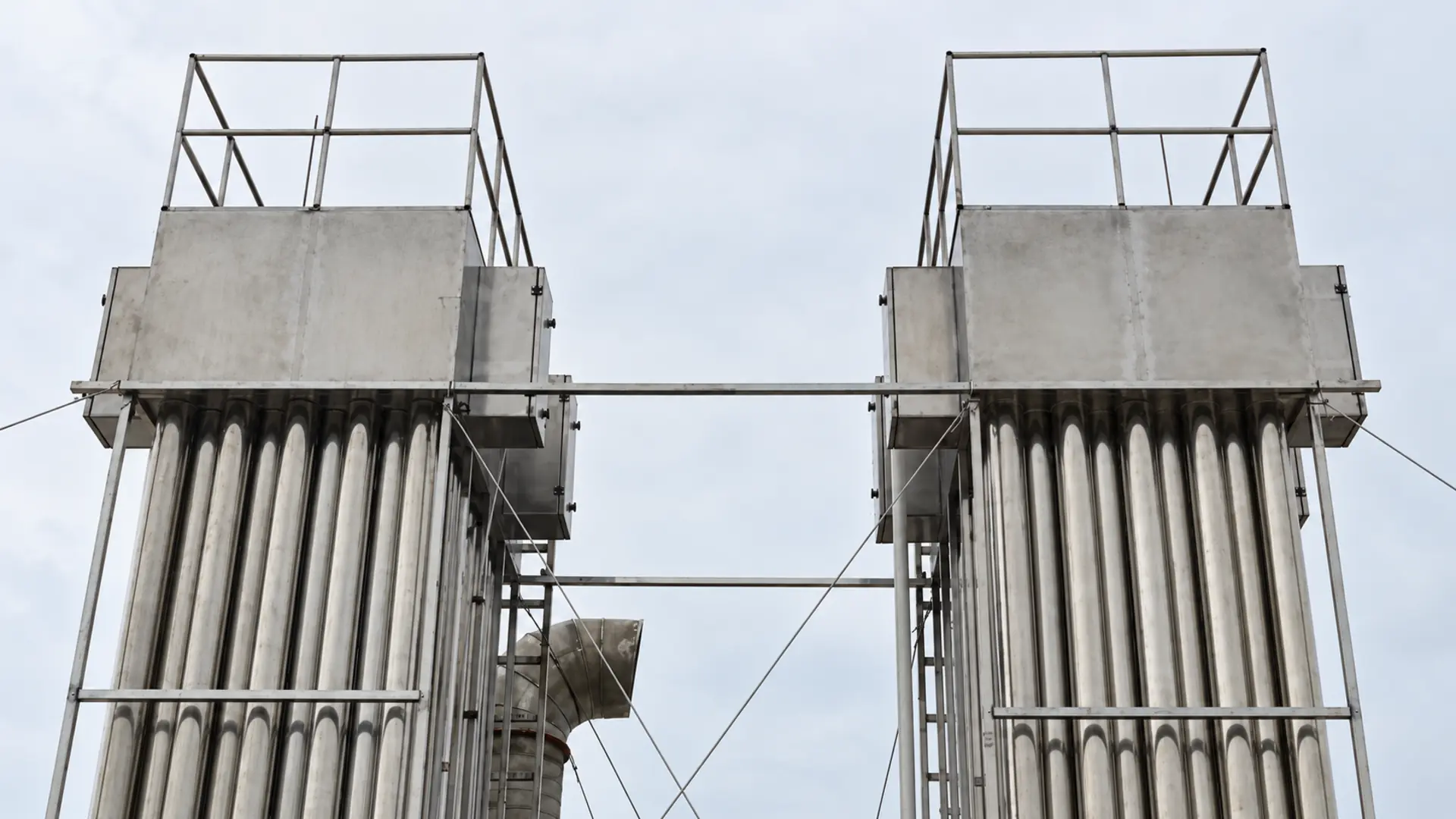
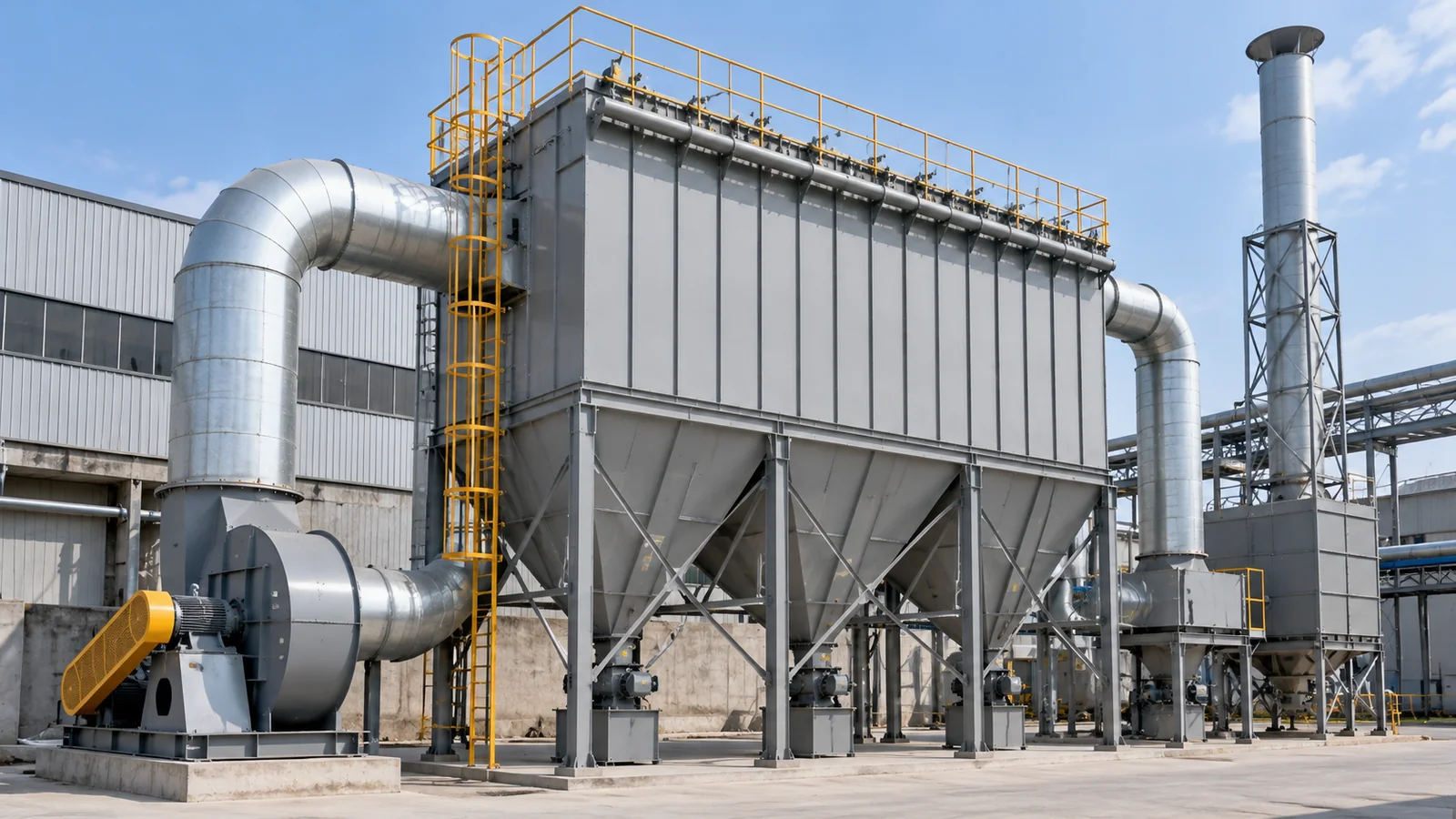
Power generation projects focus on stack emission measurement, particulate monitoring and sampling verification. The monitoring system must account for combustion process, stack condition, dust load and reporting requirements.
COD / NH3-N / TP / TN / Cr
Cases
Wastewater Treatment Plants
Wastewater treatment plants need to monitor influent load, treatment process status and final discharge performance. Online instruments help operators observe trends between laboratory tests and support better parameter-based equipment decisions.
COD / NH3-N / TP / TN / Cr
Cases
Water Utilities
Water utilities need stable measurement at distributed points. Huisheng reviews network monitoring equipment for maintenance simplicity, station installation and clear visibility of turbidity, conductivity, pH, temperature and optional chemical indicators.
COD / NH3-N / TP / TN / Cr
Cases
Environmental Monitoring Stations
Environmental monitoring stations require flexible equipment coverage. Teams may handle online water monitoring, stack testing, VOC sampling, ambient air sampling, laboratory verification and project-specific inspection. Huisheng organizes equipment selection by monitoring medium and method.
COD / NH3-N / TP / TN / Cr
The same application site may require several monitoring equipment families
This section shows that an application reference is broader than a single product. It shows the instrument families commonly combined in industrial, municipal and environmental monitoring projects.
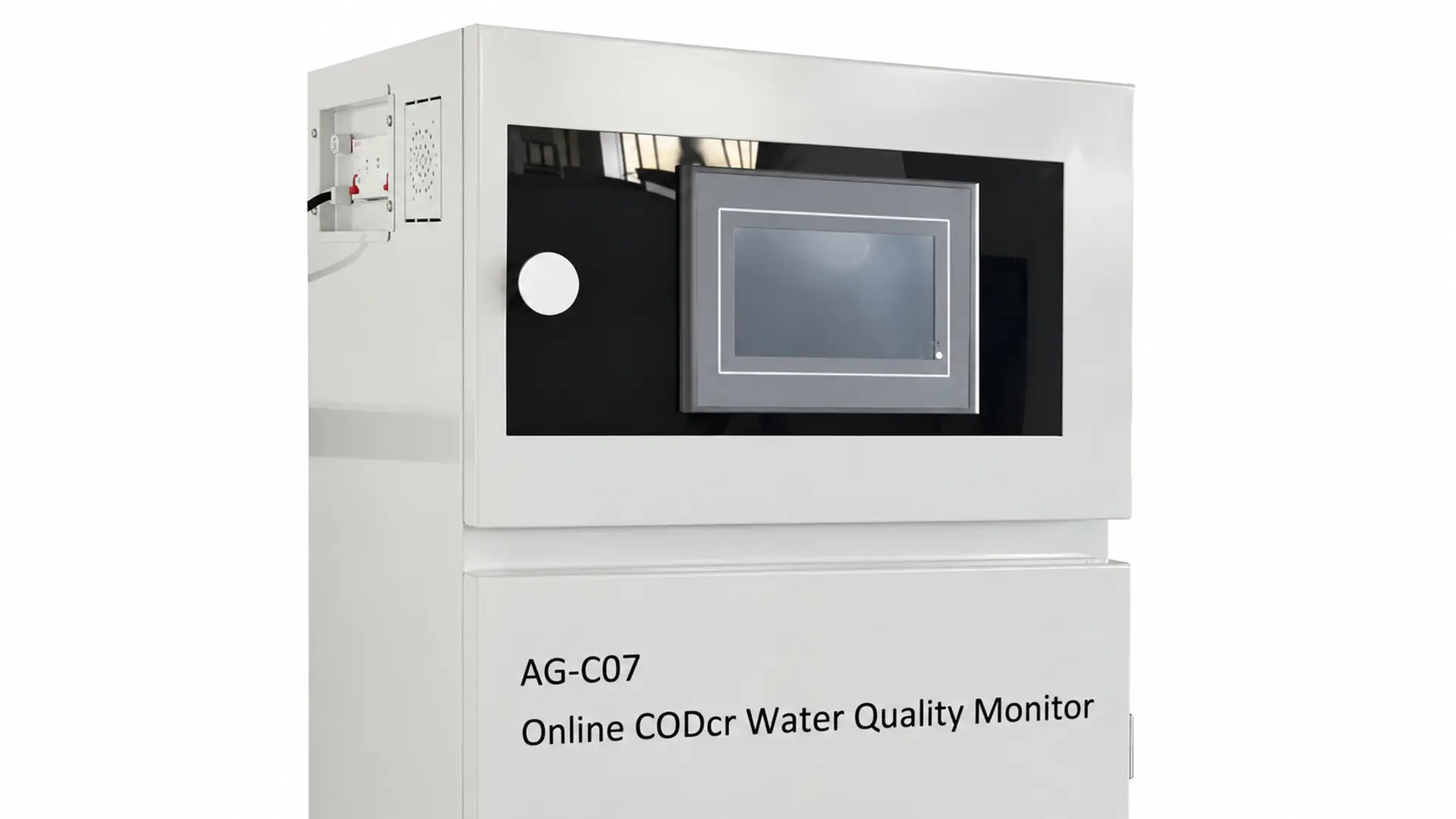
COD, NH3-N, TP, TN, pH, DO, turbidity and outdoor station configurations for wastewater, utilities and surface water points.
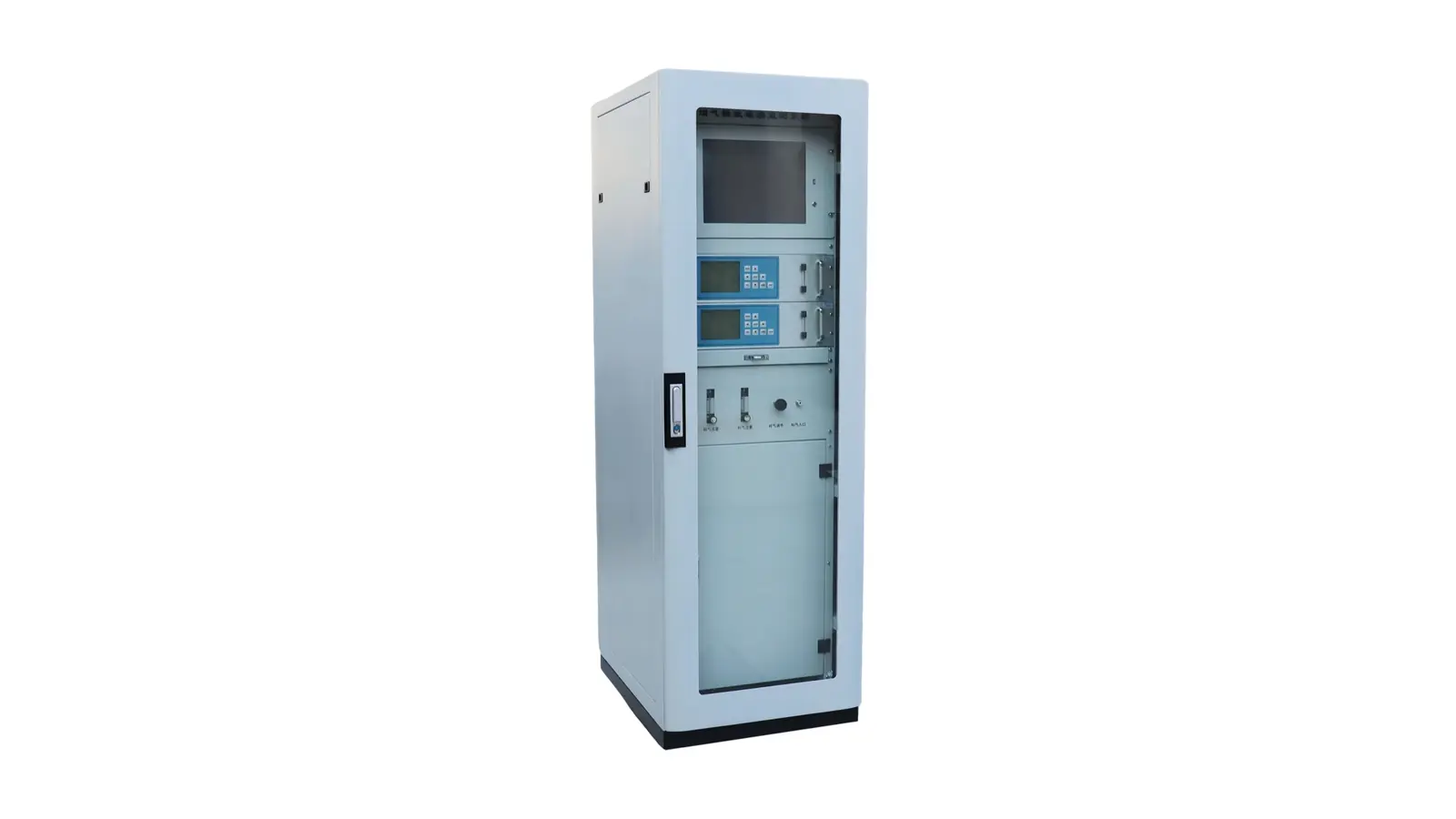
Stack gas analyzers, CEMS, smoke dust testers, samplers and condition instruments for combustion and industrial exhaust.
VOC, NMHC, benzene series, H2S, NH3, CO, O2 and combustible gas monitoring for chemical and industrial sites.
VOC samplers, ambient particle samplers, flue gas samplers and laboratory instruments for verification and sample analysis.
Each sector changes the monitoring priority and equipment mix.
A water utility may focus on distributed sensor stability, while power generation focuses on stack emissions and dust. Chemical facilities may combine VOC, toxic gas and wastewater monitoring in one project.