Environmental MonitoringInstruments for Water, Air& Industrial Emissions
Huisheng supplies online water quality analyzers, continuous emission monitoring systems, VOC and toxic gas detection instruments, environmental sampling equipment and supporting laboratory instruments for industrial, municipal and regulatory monitoring applications.
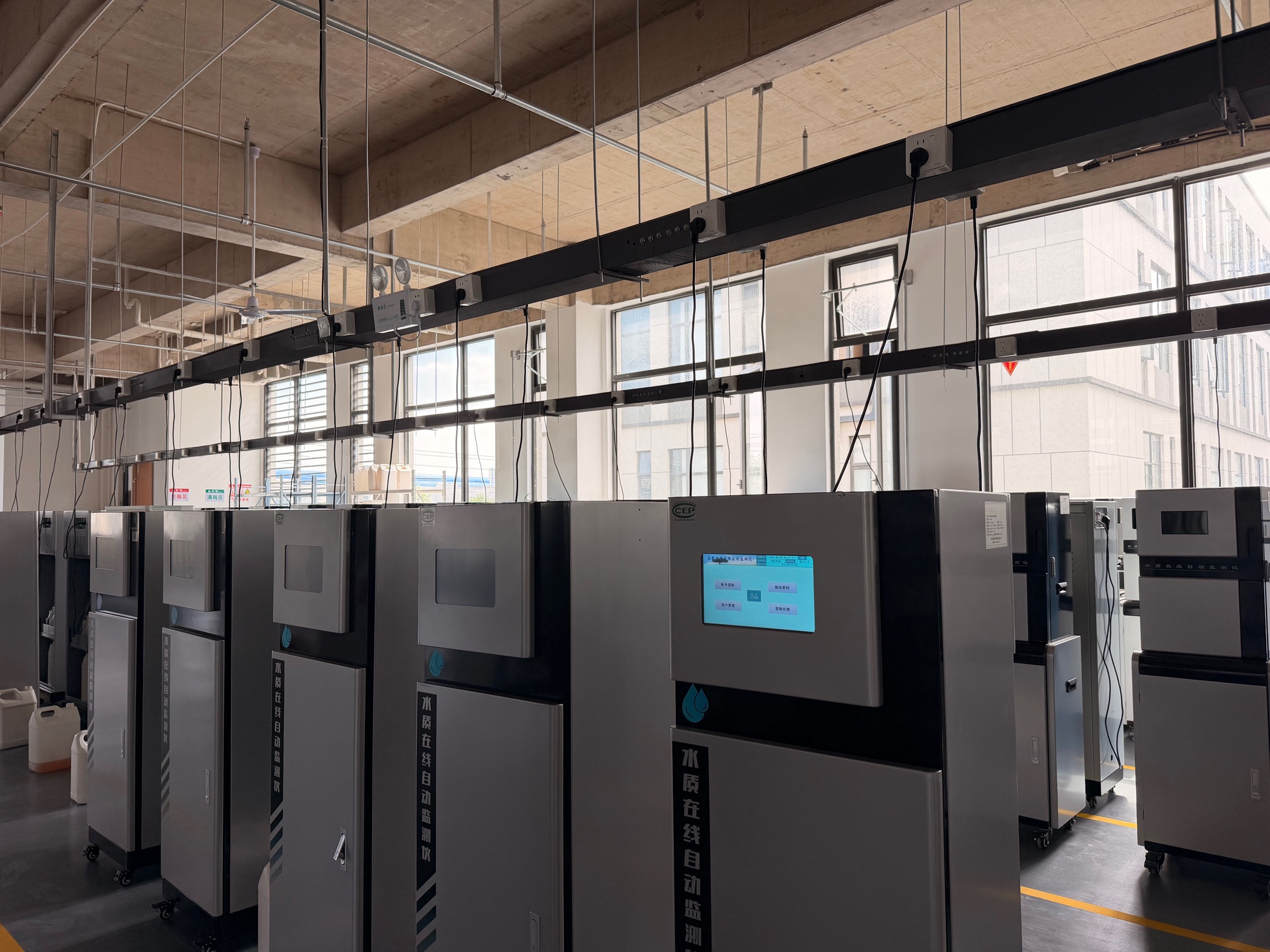
Online water quality analyzers and integrated monitoring stations
Online analyzers, sensor systems and outdoor stations for discharge outlets, process water, surface water and distributed water networks.
CEMS, flue gas analysis, dust testing and stack sampling
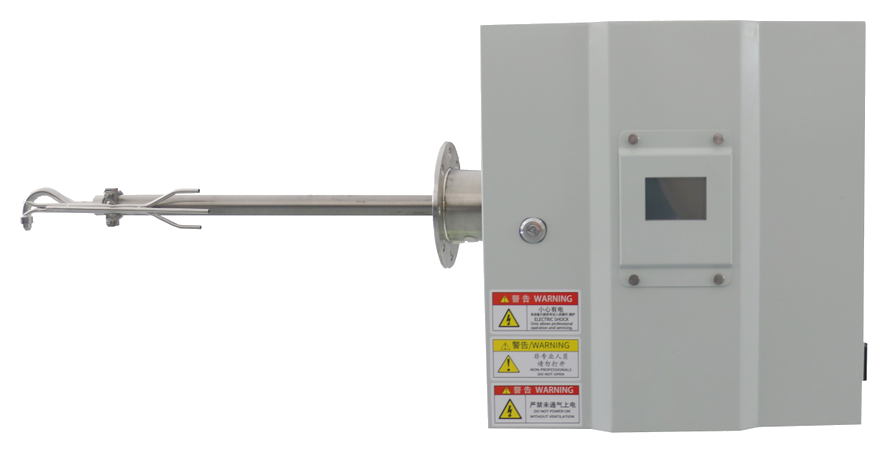
CEMS, stack gas monitoring, smoke dust testing and flue gas sampling equipment for industrial emission sources.
VOC online monitoring, toxic gas detection and calibration support
VOC online monitoring, NMHC, benzene series and hazardous gas detection for source, ambient and safety-related monitoring points.
Field sampling equipment for VOC, flue gas and ambient air projects
VOC samplers, flue gas samplers and ambient air particle samplers for field verification and laboratory follow-up analysis.
Supporting analytical instruments for environmental laboratories
Supporting analytical instruments for environmental laboratories, sample verification and method-based analysis.
Supplementary pollution-control equipment for selected projects
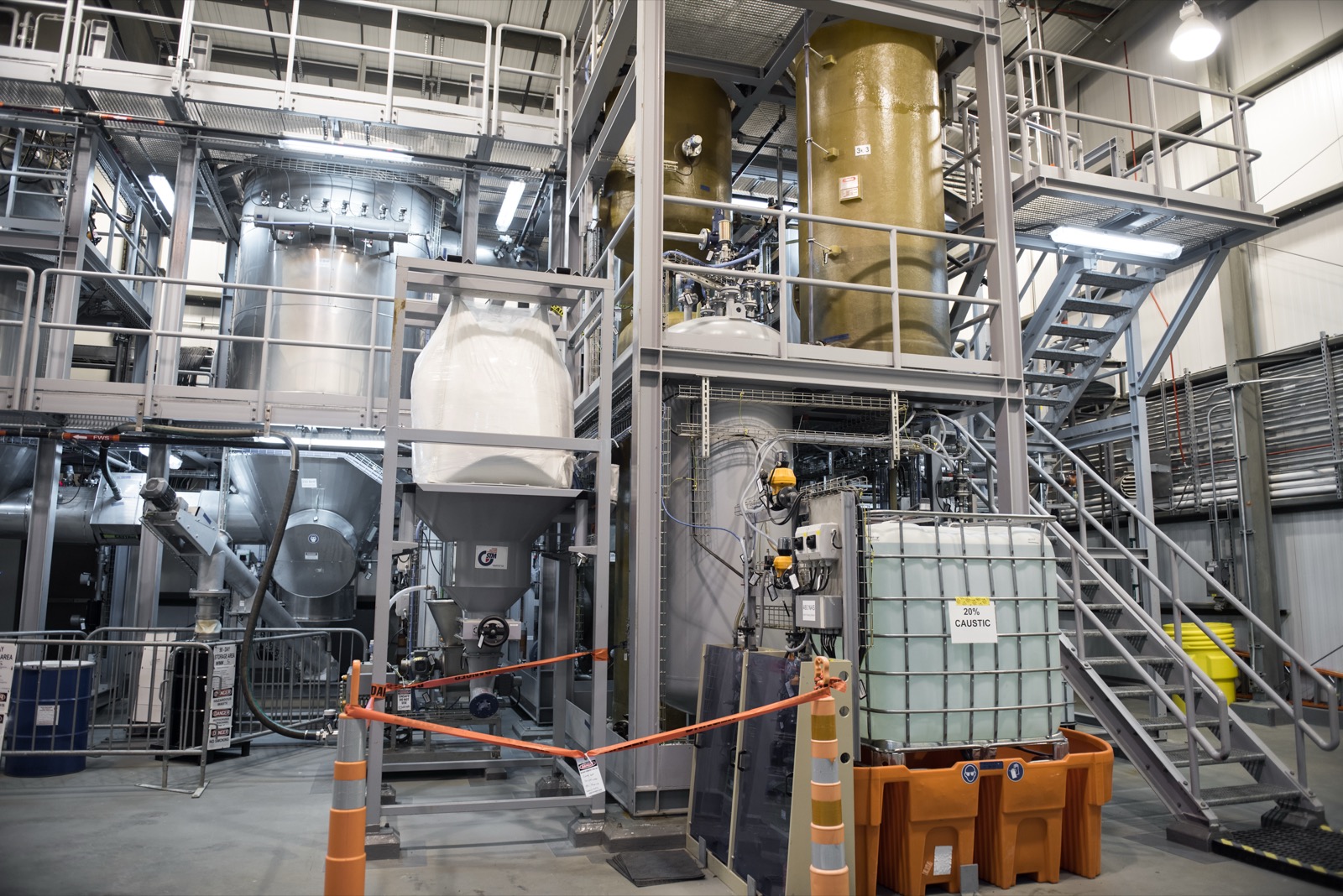
Supplementary treatment equipment scope for projects that require monitoring plus pollution-control support.



Choose equipment by where monitoring happens
Each application site has different parameters, sampling conditions, installation requirements and data outputs. These solution pages guide visitors to the right project scenario.
Wastewater Treatment Plant Monitoring
Wastewater treatment plants need to understand pollutant load, biological treatment status, nutrient removal and final discharge quality. A single analyzer cannot describe the full process. Huisheng separates influent load observation, process control and compliance discharge monitoring when reviewing a mature monitoring plan.
Industrial Park Monitoring
Industrial parks often include multiple factories, mixed wastewater, centralized treatment, boundary air requirements and different emission sources. Huisheng does not review industrial park monitoring as isolated products. The configuration creates a clearer view of water quality, emission sources, VOC risks and field sampling needs.
Power Plant Emission Monitoring
Power generation facilities need reliable stack emission monitoring and periodic verification. The system must consider gas composition, dust load, moisture, stack temperature, sampling distance and data reporting. Huisheng reviews monitoring equipment as a stack system, not just an analyzer list.
Chemical & Petrochemical Monitoring
Chemical and petrochemical facilities have multiple environmental interfaces: VOC release points, hazardous gas areas, wastewater outlets, exhaust treatment systems and stack emission sources. The monitoring plan must separate safety detection, environmental online monitoring and sampling verification.
Water Network Monitoring
Water network projects require distributed monitoring points with stable sensors, simple maintenance access and reliable communication. The equipment must be selected by water source, installation position, parameter list and whether the monitoring point is indoor, outdoor, pipe-based or open-channel.
Laboratory Analysis Solution
Environmental laboratories support monitoring projects by confirming samples, verifying online analyzer data and handling method-based analysis. A useful laboratory configuration starts with sample type and analytical method, not a generic instrument list.
Typical application references for different monitoring sites
Case Center pages help visitors recognize the site type first, then move into product pages or solution pages for a clearer equipment-selection route.

Environmental Monitoring Stations
COD / NH3-N / TP / TN / Cr

Water Utilities
pH / Turbidity / Conductivity / Temperature / DO

Wastewater Treatment Plants
COD / Permanganate index / NH3-N / TP / TN

Power Generation
SO2 / NOx / CO / CO2 / O2

Chemical & Petrochemical
VOCs / NMHC / Benzene series / H2S / NH3

Cement, Steel & Metallurgy
Dust / SO2 / NOx / CO / CO2
Supplier capability backed by equipment scope, documents and project-ready communication
We present factory strength in a practical way: verified product scope, monitoring media coverage, system configuration capability, model-specific specifications and export coordination. Factory photos, manuals and available compliance files support project communication according to selected products and actual requirements.
Water quality, CEMS, VOC detection, samplers, laboratory instruments and supplementary equipment.
Water, stack gas, ambient air and VOC / toxic gas applications.
Sampling, pretreatment, analyzer, data acquisition and reporting discussion.
Specifications, certificates and compliance information are prepared according to selected products.
Document review by selected model and actual project requirement
From supplier capability to a workable monitoring system
After product scope and document availability are confirmed, the next step is to turn the monitoring scene into a clear equipment chain. Huisheng reviews the site, medium, parameters and data destination before discussing analyzer models or cabinet configuration.
A complete monitoring chain from field sample to reporting
Match the sampling route with the site medium so the first collected sample is representative.
Review filtration, heating, moisture control or dilution before the sample enters the analyzer.
Select online analyzers, gas detectors, samplers or CEMS modules according to the parameter group.
Confirm local display, data collection, alarm output and communication protocol before integration.
Support project review with configuration records, specifications and available model-specific files.
COD / NH3-N / TP / TN / pH / DO / conductivity
SO2 / NOx / CO / CO2 / O2 / dust / flow
VOCs / NMHC / benzene series / H2S / NH3
Process flow / temperature / humidity / sample method
Application news and selection insights for monitoring projects
Articles from Huisheng covering wastewater monitoring, CEMS selection, VOC and toxic gas detection, sampling stability, industrial park monitoring and inquiry preparation. Technical guides remain in the Resources section.
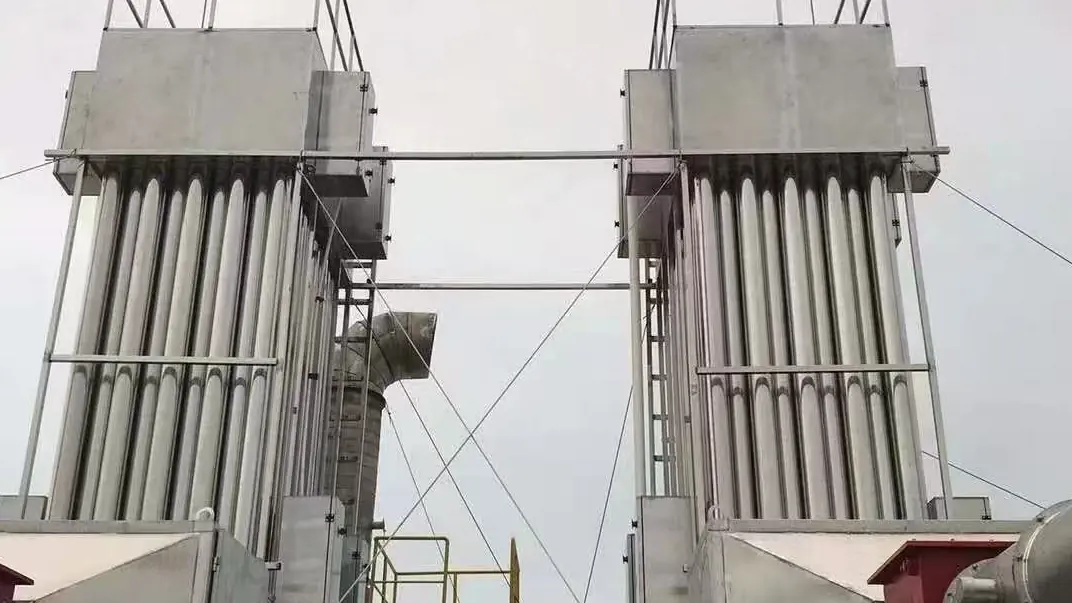
How a Wet Electrostatic Precipitator Works: Particle Charging, Collection, and Washing
A wet electrostatic precipitator (WESP) removes suspended particles and liquid droplets by charging them electrically, driving them toward collecting surfaces, and washing the deposits into a drainage system. The electric field performs the principal collection task; the liquid removes accumulated material from the surfaces. Understanding how a wet electrostatic precipitator works therefore requires following both […]
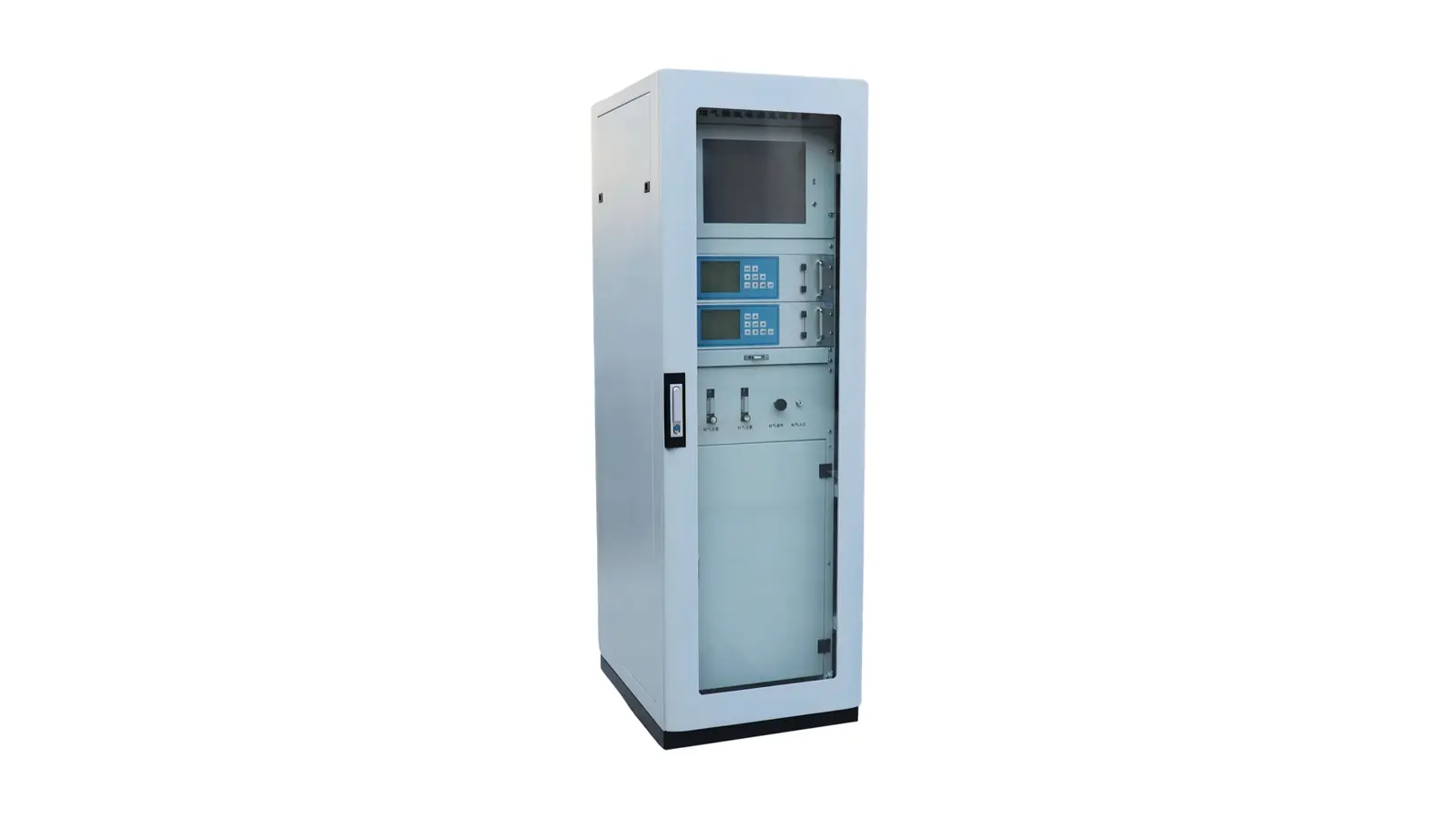
How a Continuous Emission Monitoring System Works: From Stack Measurement to Emissions Data
A continuous emission monitoring system (CEMS) measures selected pollutants and associated stack parameters, then records and processes those measurements into emissions information. Measurements may come from gas extracted from the stack or instruments operating directly in the gas stream. Reliable results depend on the complete chain: representative measurement, appropriate sample handling, suitable instruments, and data […]
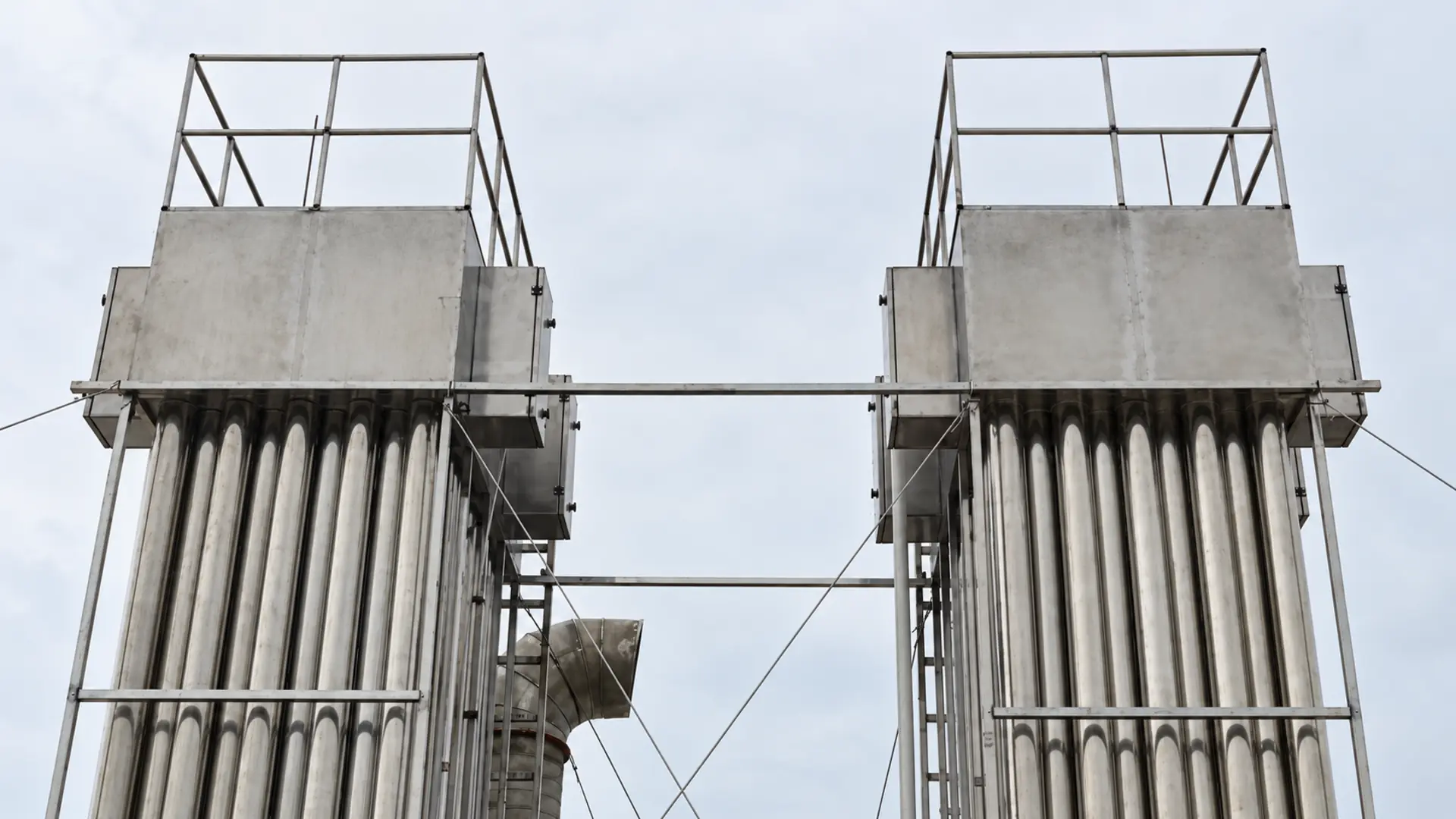
Wet vs Dry Electrostatic Precipitators: How to Choose for Your Gas Stream
Dry and wet electrostatic precipitators use electrical forces to collect particles from a gas stream. Their main difference is how they remove material from the collecting surfaces: a dry ESP typically dislodges deposits by mechanical rapping, while a wet ESP uses liquid washing. That distinction affects dust recovery, maintenance, water demand and waste handling. Dry […]
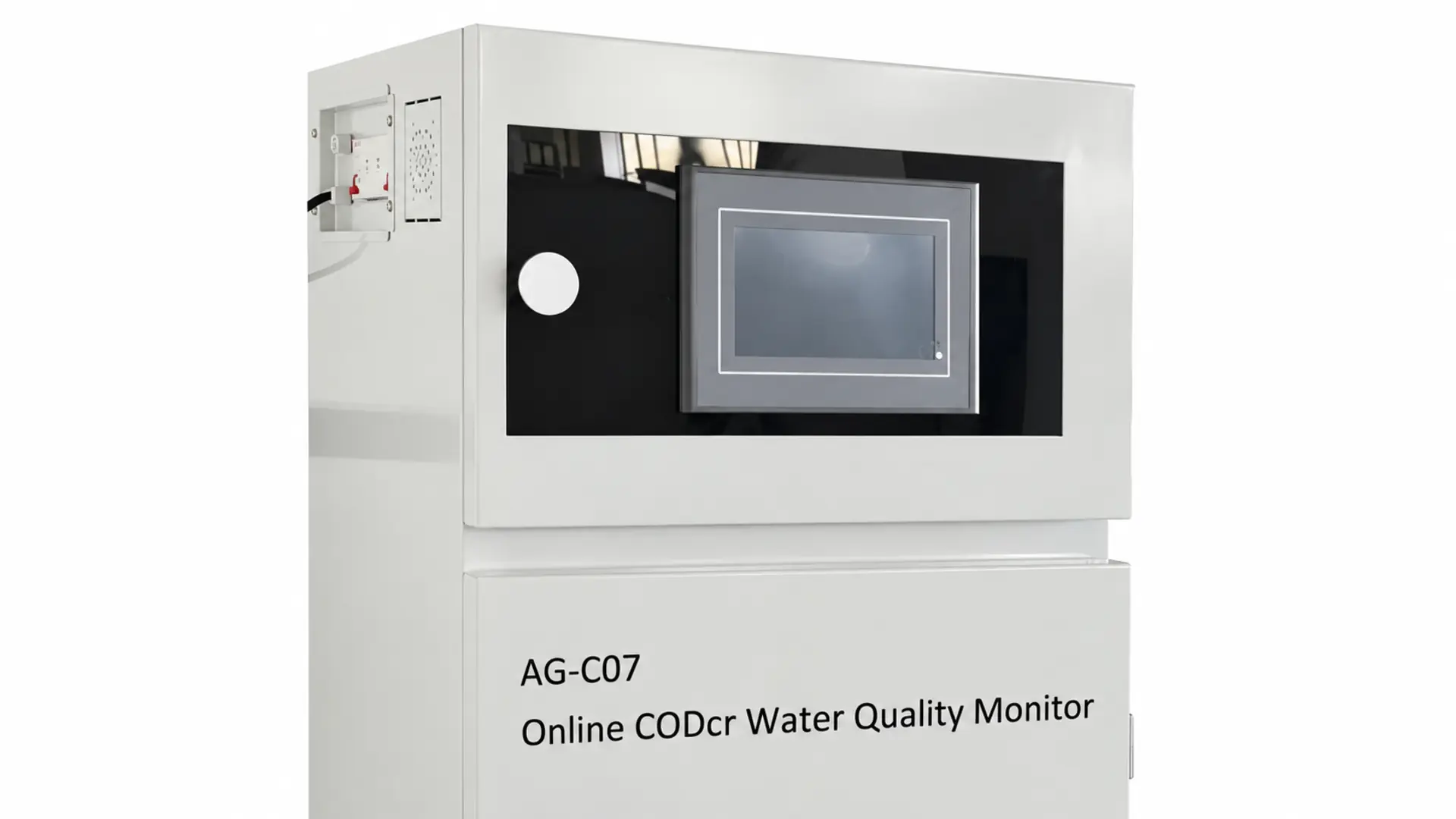
Online COD Analyzers for Wastewater: Digestion vs UV Absorbance
An online COD analyzer for wastewater should be selected according to how it produces its result and what the plant needs that result to support. A digestion analyzer determines chemical oxygen demand through a chemical oxidation procedure. A direct UV absorbance monitor measures an optical signal and uses a relationship with reference COD to estimate […]
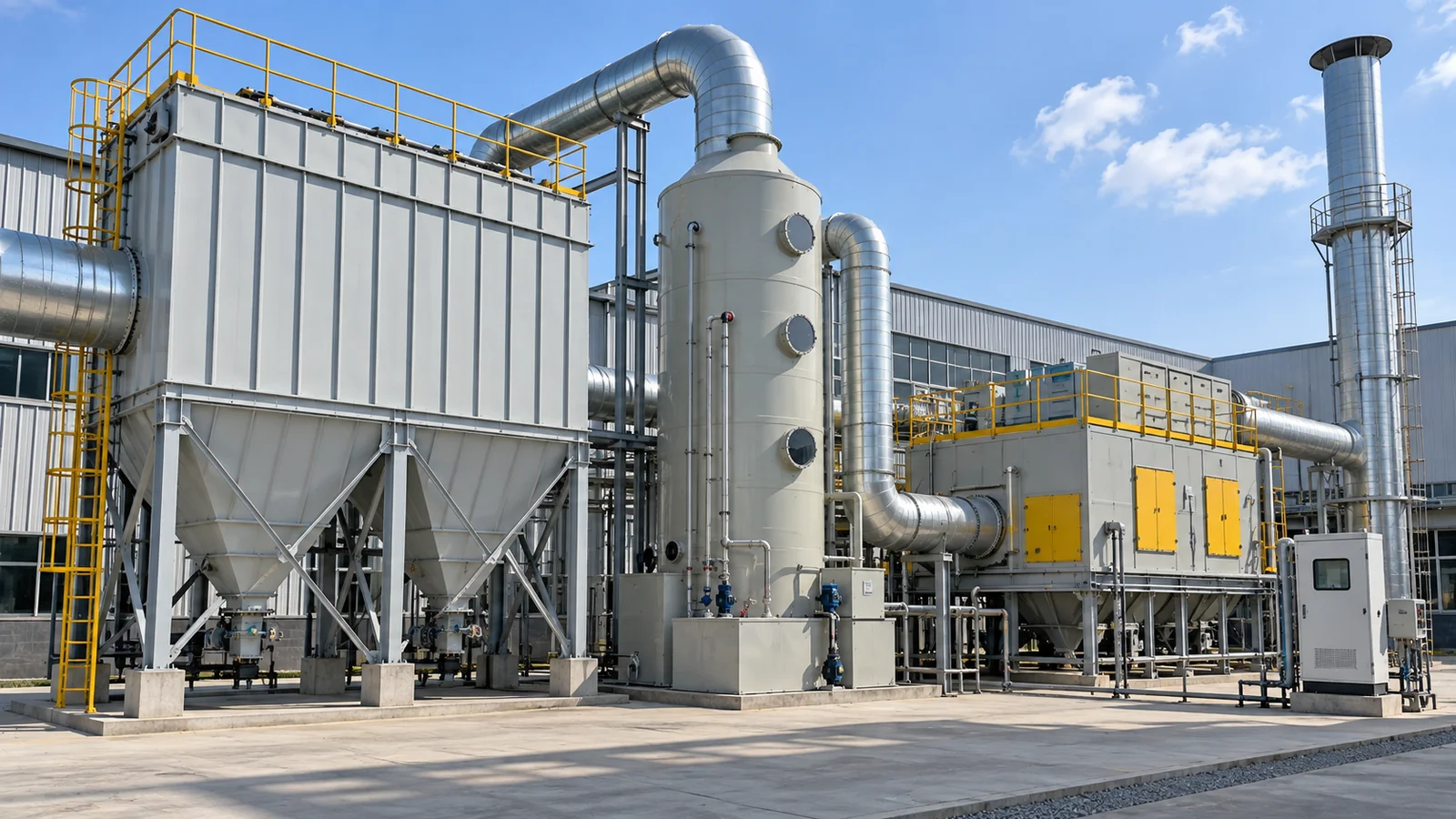
What Is Industrial Air Pollution Control Equipment? Types and Applications
Industrial air pollution control equipment is the group of technologies used to capture, remove or transform pollutants in industrial exhaust streams. The appropriate equipment depends first on what is in the gas: solid particles, mist droplets, soluble or reactive gases, volatile organic compounds (VOCs), or a combination. A fabric dust collector, wet scrubber, electrostatic precipitator […]
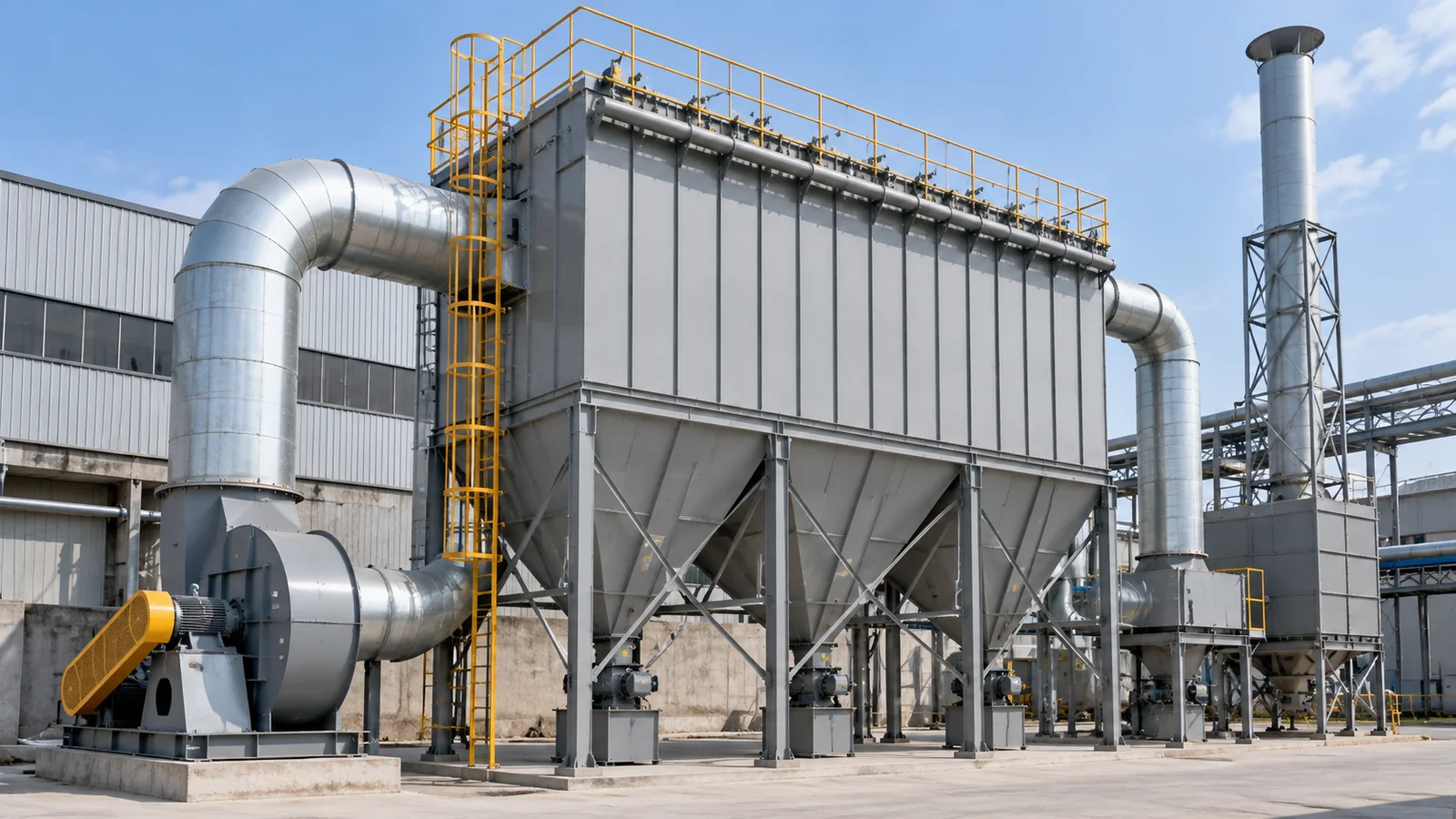
What Is a Baghouse Dust Collector? How It Works and Key Components
A baghouse dust collector is an industrial particulate-control device that uses fabric filter bags to separate suspended dust from an exhaust gas stream. Dust-laden air enters the collector, particles accumulate on the filter medium and the developing dust cake, and cleaned gas passes toward the outlet. A cleaning mechanism periodically dislodges deposited dust so it […]