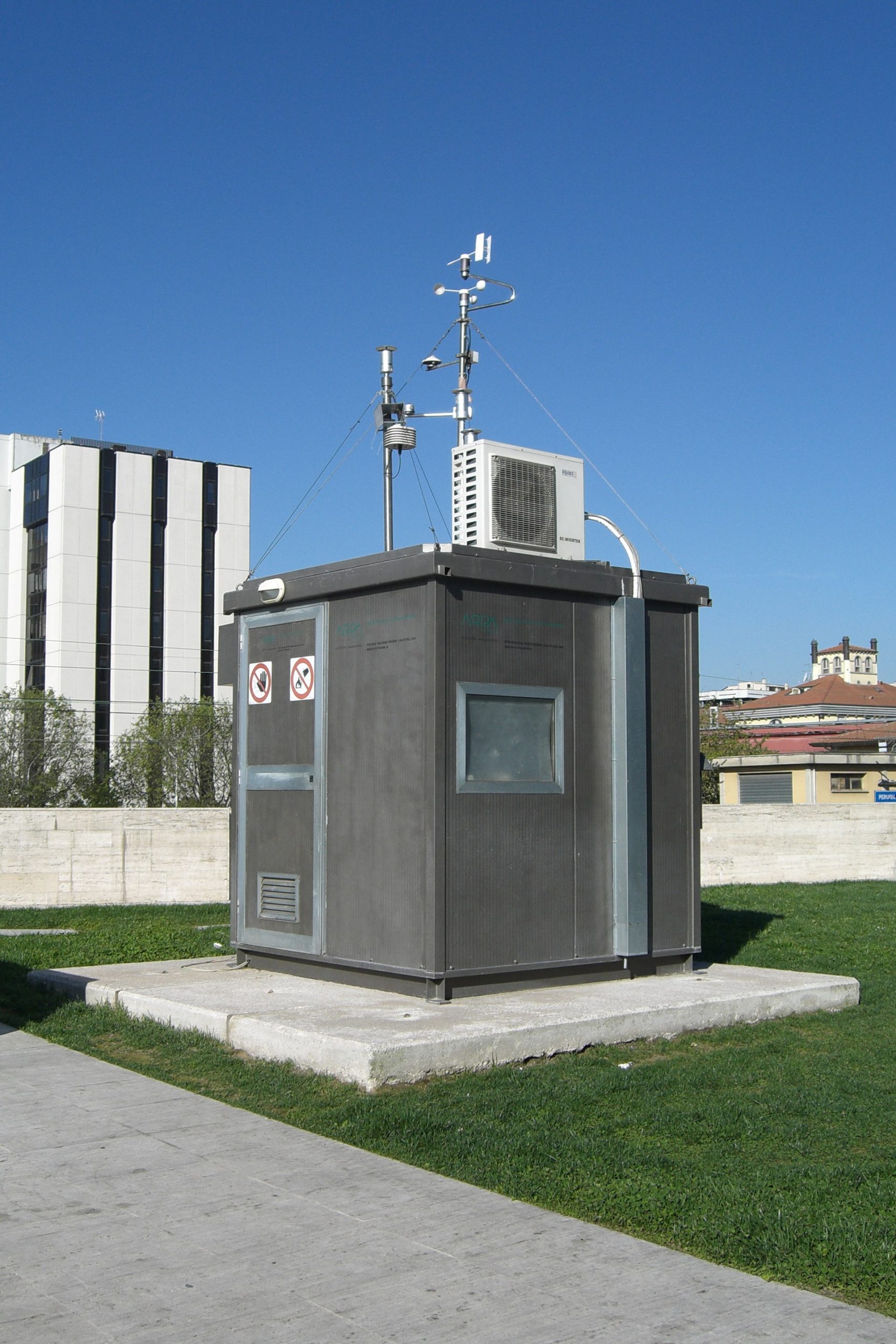
Sampling and pretreatment often determine whether an online monitoring system can operate reliably. Even a suitable analyzer may produce unstable data if the sample is not representative, not properly filtered, too hot, too wet, too dusty or not delivered at a stable flow.
Grab sampling
Used for discrete sample collection when laboratory analysis or periodic verification is required.
Grab sampling is useful when the project needs a discrete sample for laboratory analysis, verification or occasional inspection. It is not the same as online monitoring because the result represents a specific collection time and sampling condition.
Huisheng reviews whether the sample needs preservation, cooling, special container handling, time control or laboratory follow-up. These details affect the sampler, container method and inquiry information.
Continuous sampling
Used for online analyzers and continuous monitoring points where stable sample flow is needed.
Continuous sampling is used when an online analyzer or detector needs a stable sample stream. The sampling path must keep the sample representative while also protecting the measurement system from blockage, moisture or unstable flow.
A continuous system may include a pump, intake pipe, filtration, flow control, overflow arrangement, sample return or waste handling. Huisheng reviews these parts as one operating route rather than as small accessories.
Stack gas sampling
Requires probe selection, sampling point access, flow control and attention to temperature, moisture and dust.
Stack gas sampling must consider gas temperature, moisture, dust load, pressure and sampling point access. A stack gas sample can change quickly if condensation forms, if dust blocks the path or if the line is not heated when heating is required.
Before equipment selection, Huisheng reviews whether the task is continuous emission monitoring, periodic source testing or laboratory sample collection. Each task has a different sampling path and documentation expectation.
Heated sampling line
Used when condensation or adsorption may affect gas measurement or VOC preservation.
A heated sampling line is used when temperature control is needed to prevent condensation or compound loss. It is common in stack gas, VOC and certain emission monitoring applications where sample integrity is sensitive to temperature change.
The heating requirement Huisheng reviews with gas moisture, target compounds, line length and installation environment. Without this review, the selected analyzer may receive a changed sample and produce unstable or misleading data.
Filtration
Protects analyzers and stabilizes measurement by removing particles or solids that affect flow paths.
Filtration removes particles, solids or dust that may block tubing, valves, pumps or analyzer channels. In water applications, filtration can protect wet-chemical analyzers and sensors. In gas applications, it can reduce particulate interference before the sample reaches sensitive components.
Huisheng matches filter selection with the sample condition and maintenance plan. A filter that is too fine may clog quickly, while a filter that is too coarse may not protect the system. The balance depends on sample solids, dust load and flow requirement.
Condensation control
Important for flue gas and humid samples because water condensation can distort measurement or damage equipment.
Condensation control is critical for humid gas streams and some VOC applications. Once water condenses inside the sampling path, gas composition can change, tubing can block and analyzer response can become unstable.
Control methods may include heating, cooling, moisture separation, drainage or gas conditioning. The correct path depends on whether moisture is removed, avoided or measured as part of the system condition.
Flow control
Keeps sample volume, residence time and analyzer input conditions within a suitable range.
Stable flow helps the analyzer receive a consistent sample amount and protects measurement components from sudden changes. Flow instability may come from pump fluctuation, pressure change, blockage, bubbles, leaks or long sampling distance.
For project discussions, Huisheng reviews expected flow requirement, sampling distance, pressure condition and whether the sample will be returned, drained or stored. These details help define the sampling route.
Sample pretreatment
Can include digestion, dilution, cooling, filtration, heating or chemical conditioning according to medium.
Sample pretreatment is the bridge between the field condition and the measurement method. It may include filtration, heating, cooling, drying, dilution, digestion, pressure reduction, gas-liquid separation or chemical conditioning.
Huisheng reviews the pretreatment unit according to the target parameter. A water quality analyzer, CEMS system, VOC sampler and ambient particle sampler may each require a different treatment logic, even if they are installed in the same project.
Canister sampling
Common for VOC sample collection when laboratory analysis follows field sampling.
Canister sampling is commonly discussed for VOC sample collection where the sample needs to be collected in the field and analyzed later. Huisheng reviews target compounds, sampling time, container condition, flow control and preservation in the sampling plan.
For quotation discussions, Huisheng reviews whether the project needs ambient sampling, source emission sampling, plant boundary monitoring or emergency sampling. This context helps determine sampler configuration and accessories.
Adsorption tube sampling
Used for selected VOC methods and compound-specific sampling requirements.
Adsorption tube sampling is used for selected VOC or organic compound methods where compounds are collected on adsorbent media before analysis. The sample flow, sampling duration and target compound characteristics are important.
Huisheng reviews the method together with the laboratory or project requirement. The sampler itself is only one part of the method; tube type, flow calibration, preservation and analysis route also affect the final result.