Power Plant Emission Monitoring
Power plant monitoring solution for CEMS, stack gas, dust, flow and emission reporting applications.
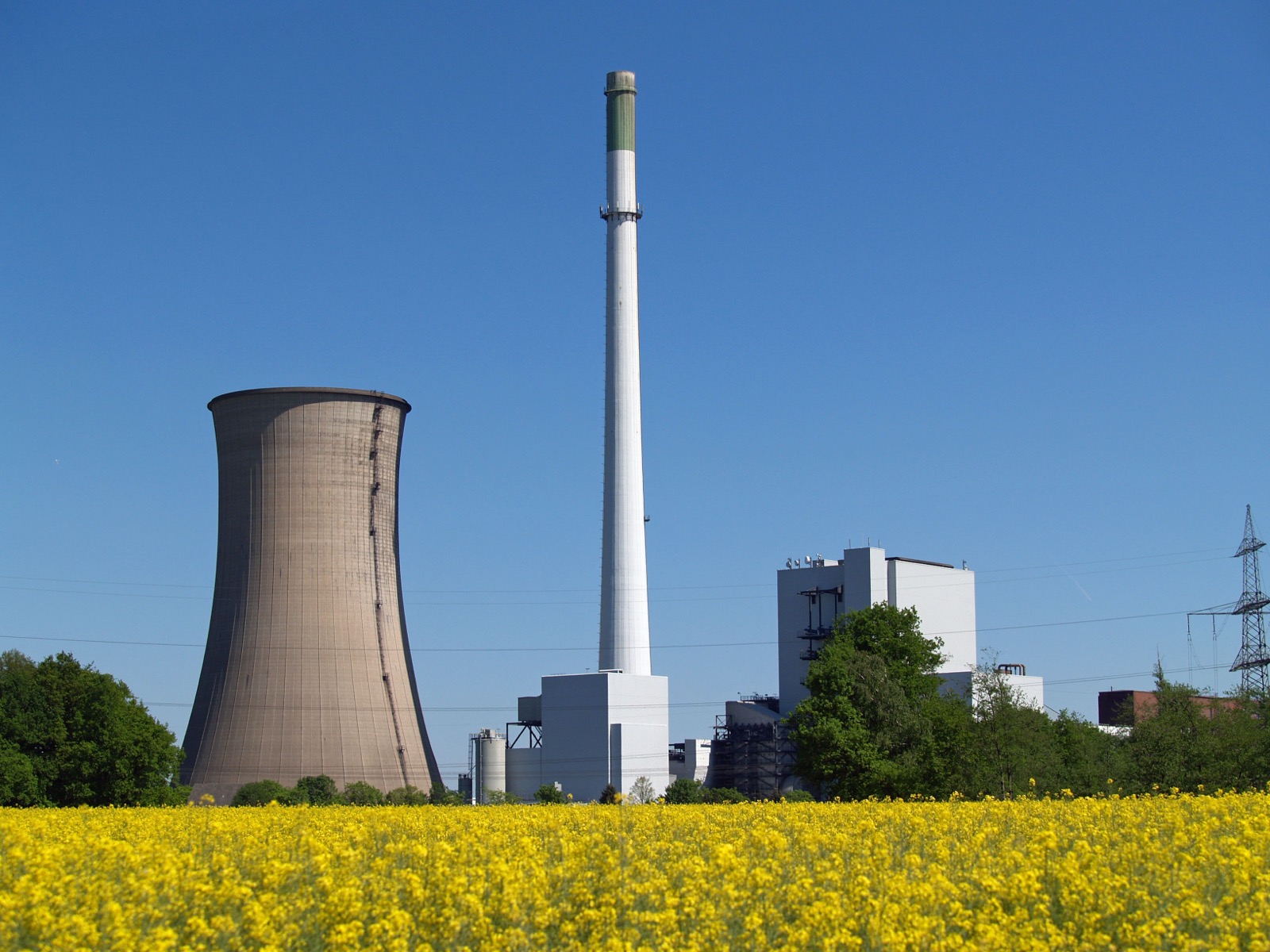
Configuration starts with the actual monitoring point
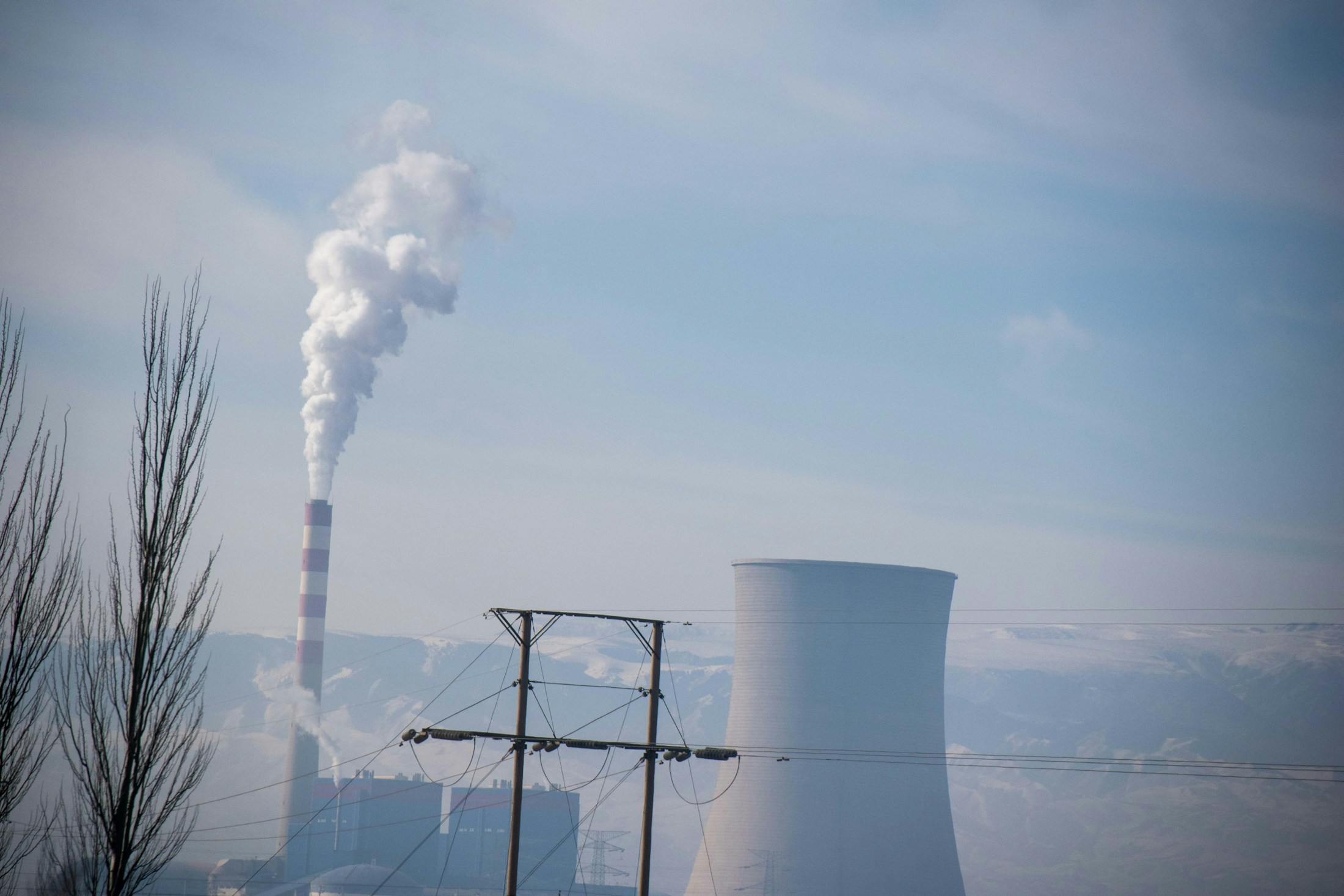
Power generation facilities need reliable stack emission monitoring and periodic verification. The system must consider gas composition, dust load, moisture, stack temperature, sampling distance and data reporting. Huisheng reviews monitoring equipment as a stack system, not just an analyzer list.
Huisheng defines monitoring points first, then connects each point with parameters, analyzer type, sampling method, data output and maintenance access. This is how Huisheng positions equipment selection for international environmental monitoring projects.
Monitoring points, instruments and data paths need to be planned together
A mature monitoring solution shows how equipment supports the actual site. Huisheng reviews monitoring points, equipment scope and data purpose before discussing a project configuration.
Confirm source point, process point, outlet, boundary, laboratory or remote station location.
Match online analyzers, CEMS, VOC detection, samplers, cabinets and laboratory support.
Clarify operation control, early warning, environmental supervision or reporting requirements.
What Huisheng helps the project understand
Equipment scope by monitoring point
Final model selection depends on measuring range, local standard, installation conditions and available project information.
Main stack
SO2, NOx, CO, CO2, O2 | CEMS gas analyzer cabinet. Core continuous emission monitoring scope.
Stack condition
Flow, pressure, temperature, humidity | Stack condition instruments. Required for emission calculation and data interpretation.
Particulate point
Dust and smoke | Dust monitor or smoke dust tester. Selected for continuous or periodic testing.
Verification sampling
Flue gas sample | Automatic flue gas sampler. Supports field testing or laboratory follow-up.
Sampling -> analyzer -> data acquisition -> platform -> reporting
Even when one product is requested, Huisheng reviews the surrounding data path and sample route so the equipment can fit the project workflow.
Sampling
Collect representative water, stack gas, ambient air or VOC samples from the defined point.
Pretreatment
Condition the sample through filtration, heating, flow control, digestion or preservation if required.
Analyzer
Measure selected parameters with the appropriate online analyzer, detector, sampler or laboratory method.
Data Acquisition
Transmit values, alarms and operating status to local or remote data systems.
Reporting
Support project review with clear configuration and available technical documents.
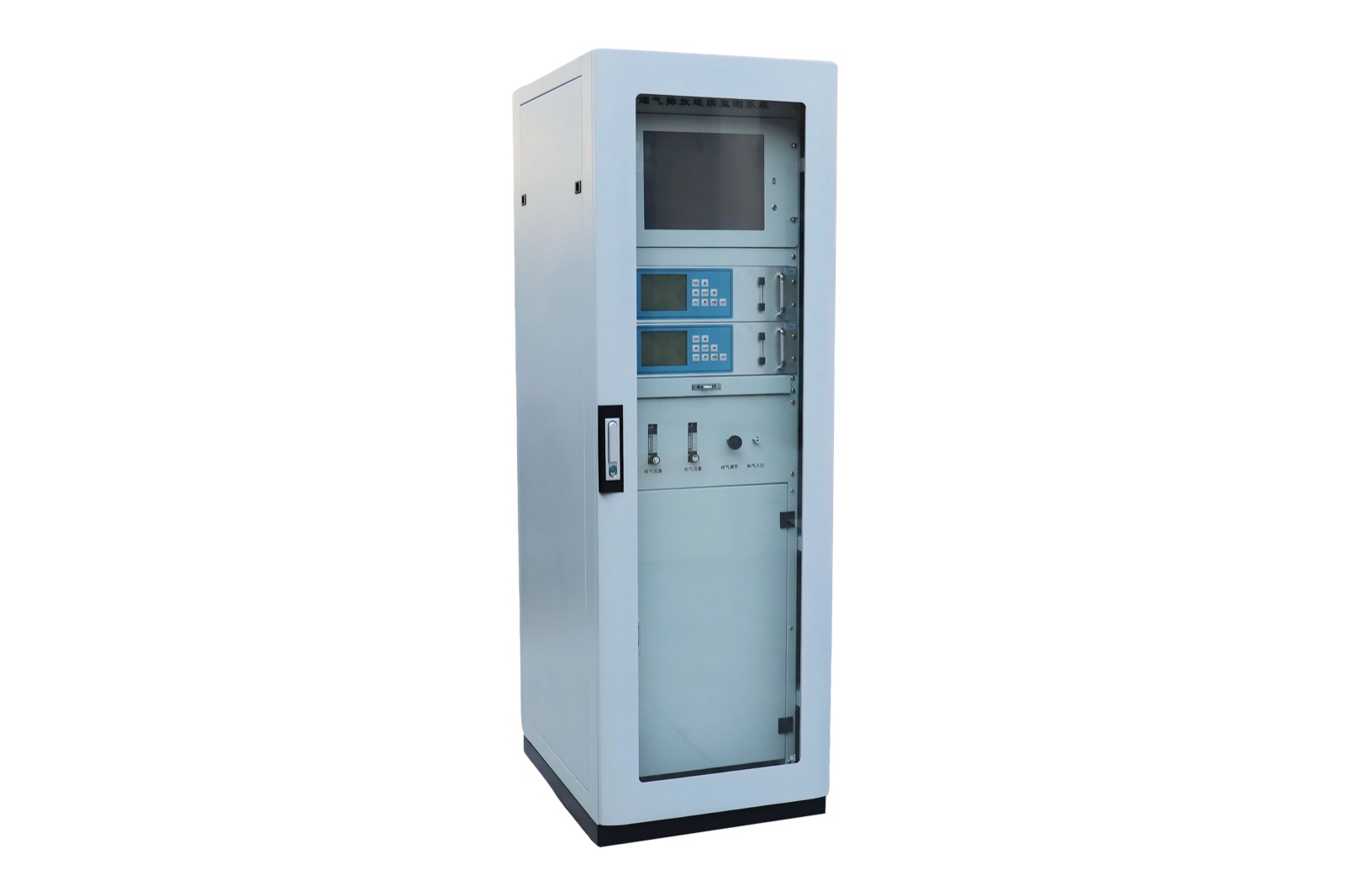
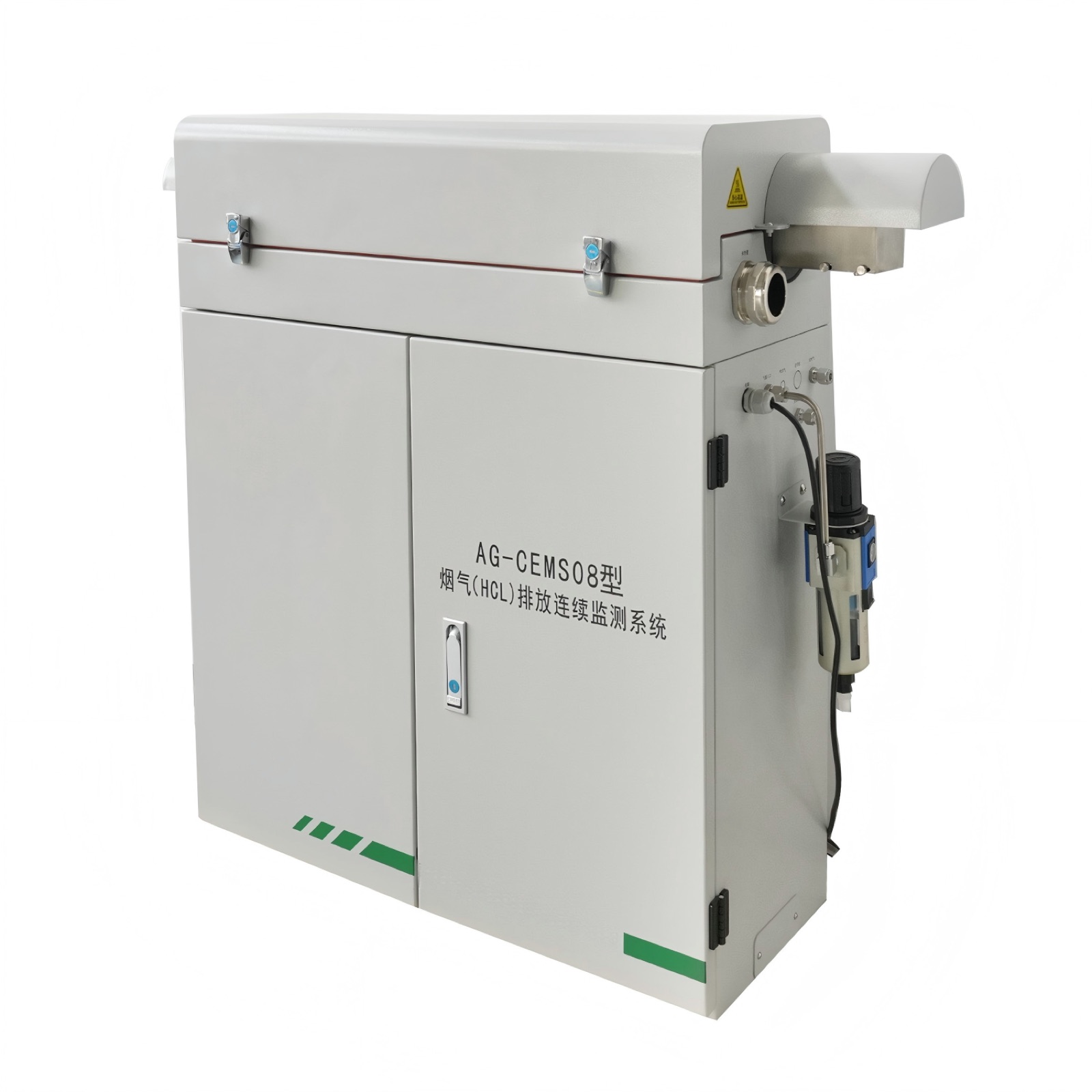
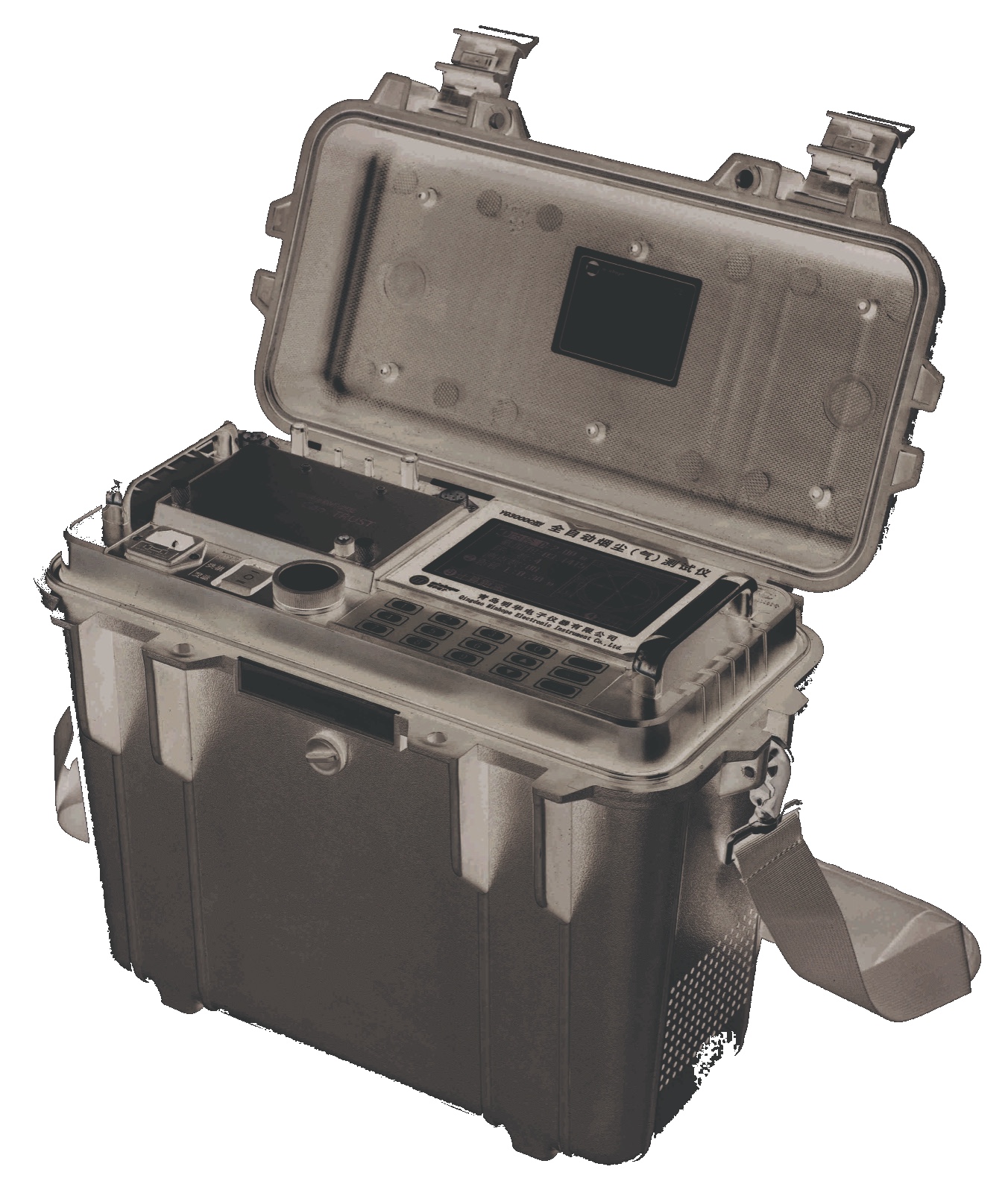
Details that make configuration faster
For early-stage projects, partial information is acceptable. Huisheng can help turn known site details into a clearer equipment discussion.
Fuel type and combustion process
Stack dimensions and platform layout
Gas parameters and ranges
Moisture and dust condition
Continuous or portable requirement
Reporting protocol and local standard
Common solution questions
Yes. Huisheng reviews equipment selection, ranges, data output and documents according to the destination country and project requirement.
No. The scope is configured from monitoring points, parameters, sample conditions and available installation information.
Yes. Sampling and pretreatment equipment can be discussed when the monitoring point requires field sampling, stack gas extraction, VOC sampling or laboratory verification.
Huisheng reviews site type, monitoring points, parameter list, expected ranges, quantity, installation condition, data requirement and available standards.