Monitoring Solutions for Water, Air and Industrial Emissions
Solution pages are organized by monitoring scenario: where the sample comes from, which parameters must be measured, how sampling and pretreatment are arranged, and how data is reported.
Solutions define the equipment chain around a monitoring point.
Huisheng separates solution configuration from industry profiles. We start from practical project scenes such as wastewater outlets, stack emission points, VOC sources, water network nodes and laboratory workflows, then connect each monitoring point with parameters, sampling method, analyzer type, data acquisition and inquiry information.
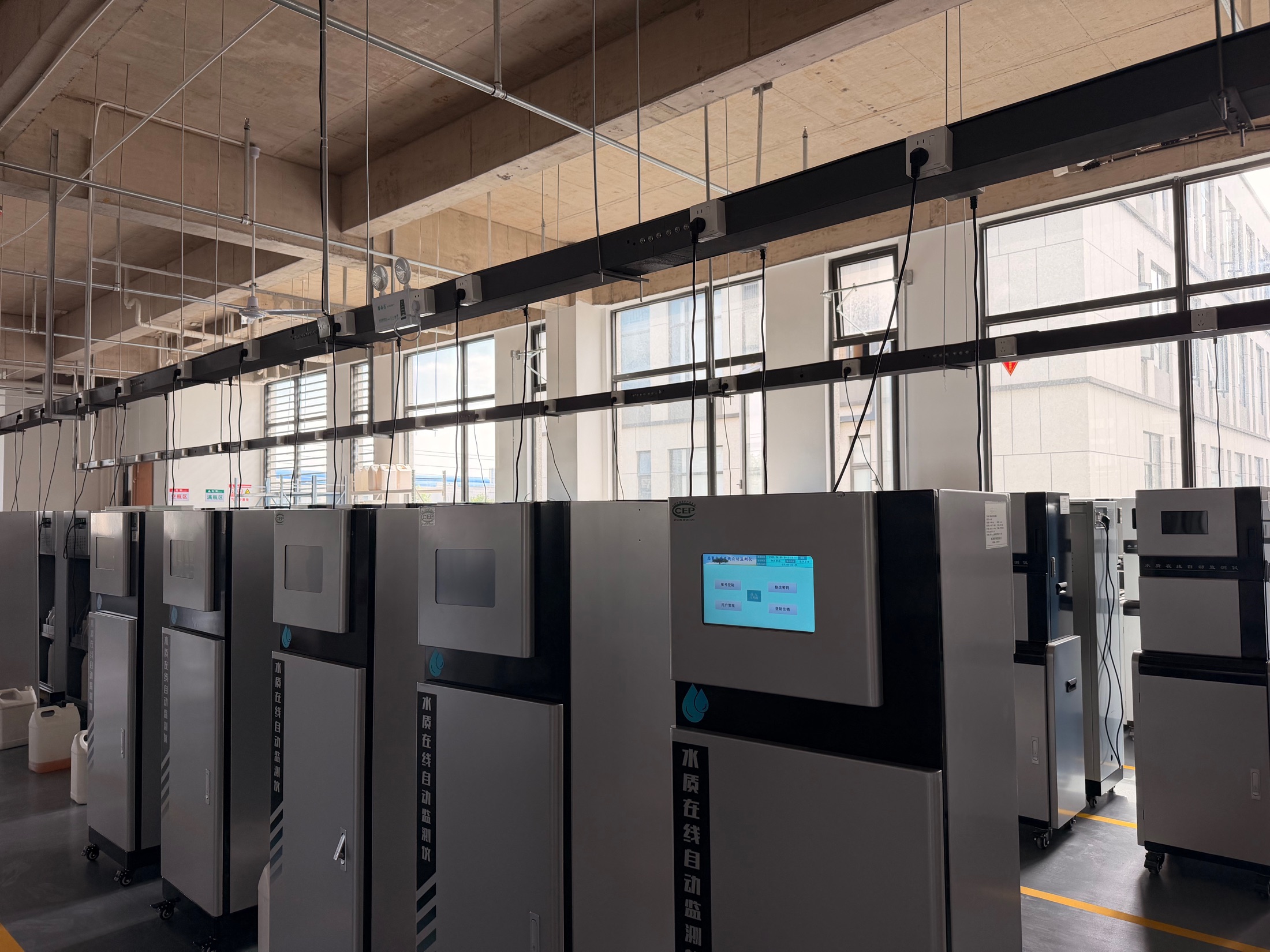
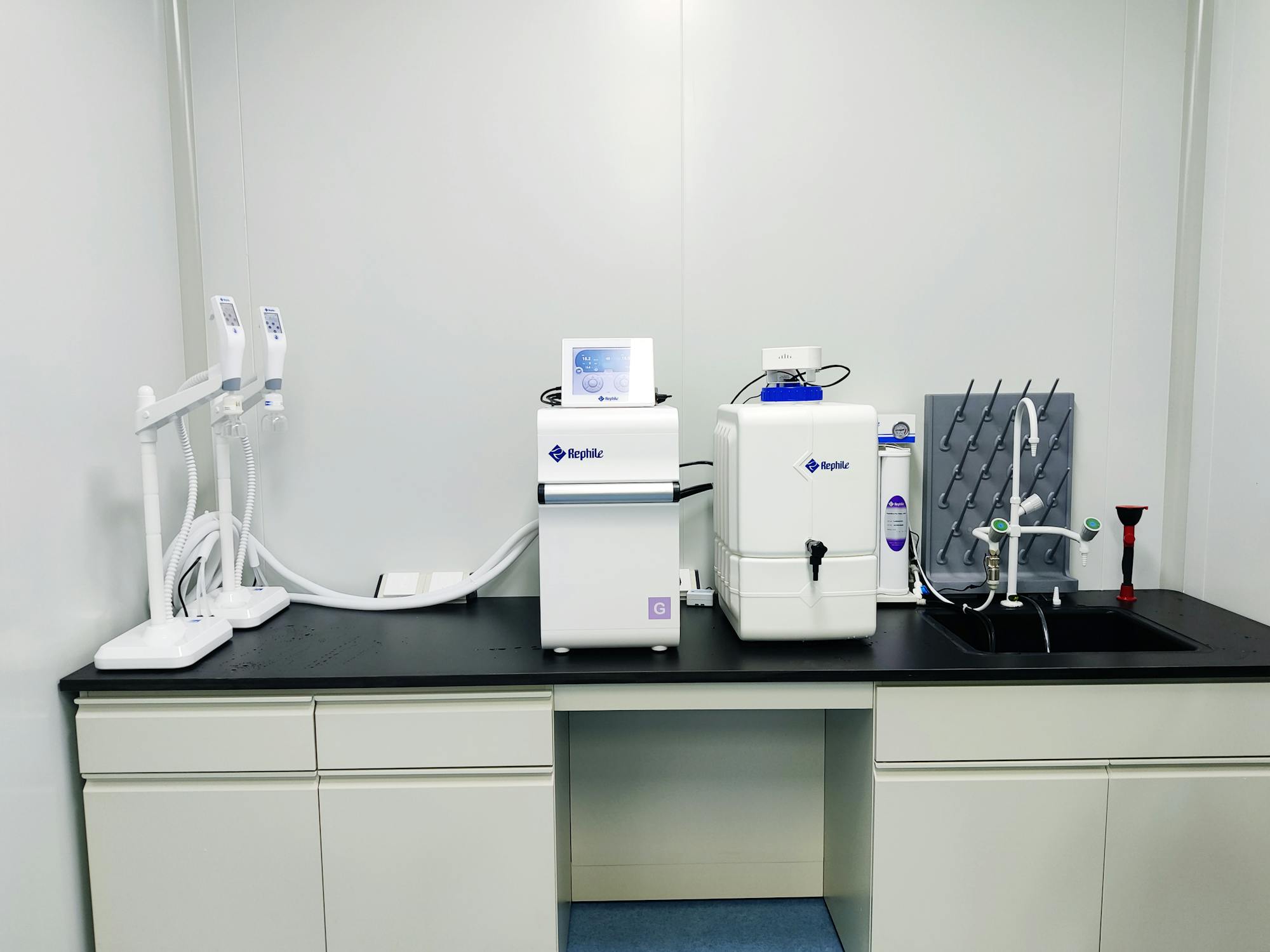
What Huisheng clarifies before recommending a solution
Most monitoring projects become unclear when communication starts from a product name only. Huisheng first separates the project into measurable information: the sample medium, monitoring point, target parameters, expected range, installation condition and data output. This makes the recommended equipment scope easier to explain and easier for project teams to compare.
Water, stack gas, ambient air, VOC source, toxic gas point or laboratory sample.
Influent, effluent, process pipeline, stack duct, boundary, workshop or remote station.
The indicator list and expected concentration range decide analyzer type and accessories.
Solids, dust, moisture, temperature, corrosion and distance affect pretreatment design.
Local display, alarm, acquisition interface, platform connection and model-specific specifications are reviewed.
Choose by monitoring site, not by industry name
Huisheng organizes solution entries by monitoring location and system objective. For example, a chemical plant may combine wastewater monitoring, VOC monitoring and stack emission monitoring in the same environmental project.
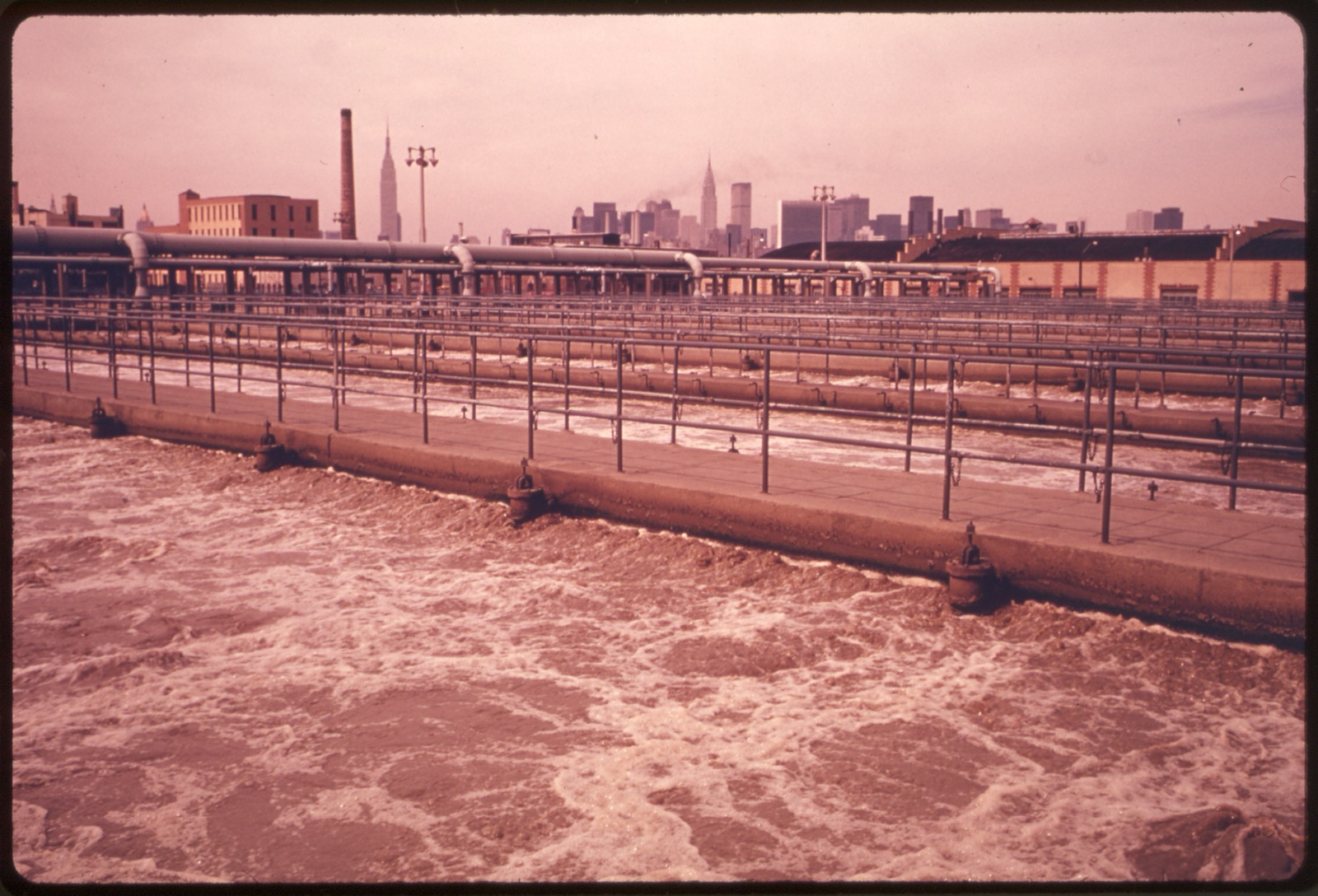 Wastewater Treatment Plant Monitoring
Monitoring solution for wastewater treatment plants covering influent, process control and final discharge monitoring.
Influent channel / Biological process / Final discharge
Wastewater Treatment Plant Monitoring
Monitoring solution for wastewater treatment plants covering influent, process control and final discharge monitoring.
Influent channel / Biological process / Final discharge
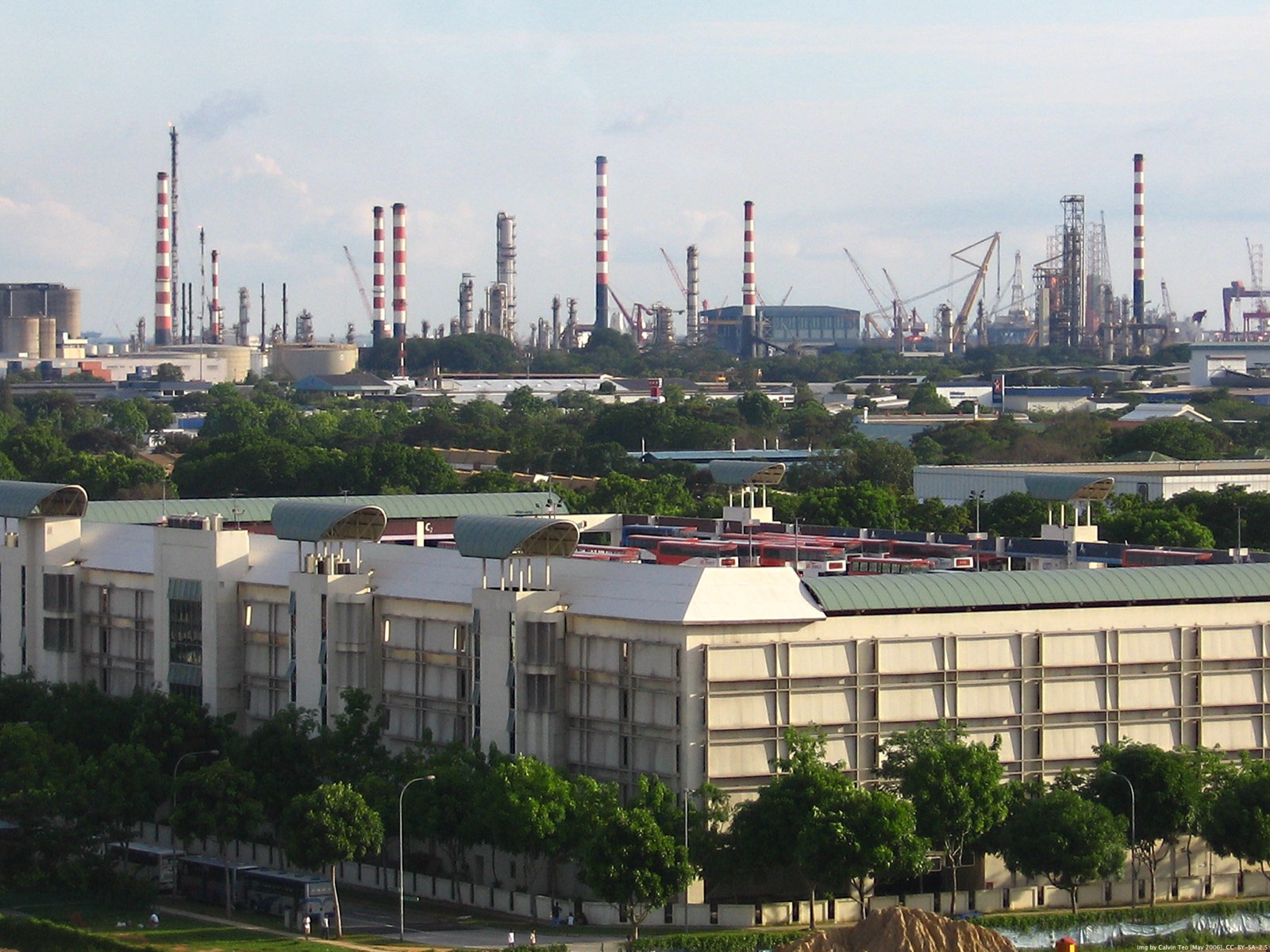 Industrial Park Monitoring
Industrial park monitoring solution for wastewater, emissions, VOCs, boundary air and sampling equipment.
Central wastewater inlet / Final discharge outlet / Plant boundary
Industrial Park Monitoring
Industrial park monitoring solution for wastewater, emissions, VOCs, boundary air and sampling equipment.
Central wastewater inlet / Final discharge outlet / Plant boundary
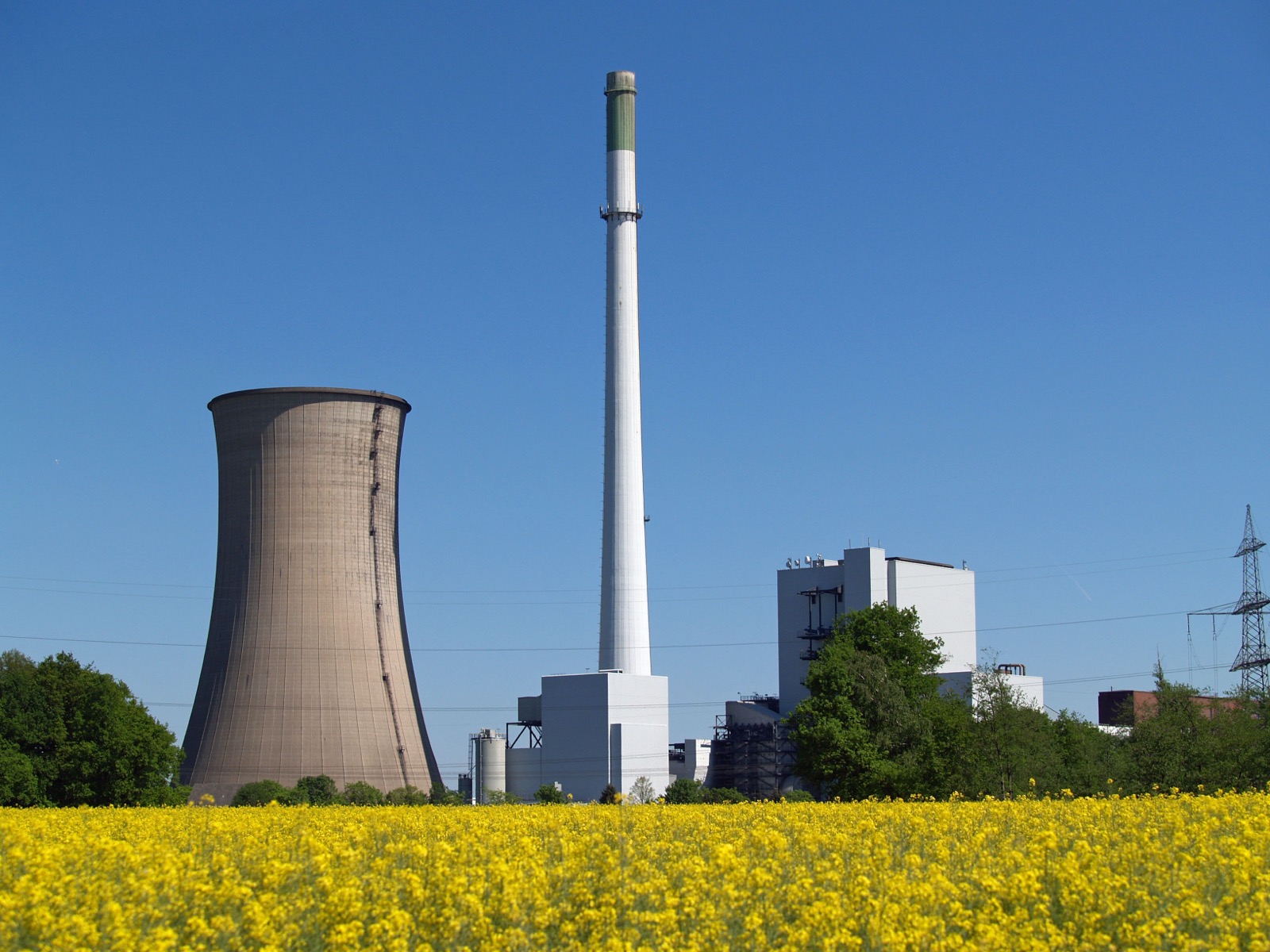 Power Plant Emission Monitoring
Power plant monitoring solution for CEMS, stack gas, dust, flow and emission reporting applications.
Main stack / Stack condition / Particulate point
Power Plant Emission Monitoring
Power plant monitoring solution for CEMS, stack gas, dust, flow and emission reporting applications.
Main stack / Stack condition / Particulate point
 Chemical & Petrochemical Monitoring
Monitoring solution for VOCs, toxic gas, wastewater, stack emissions and sampling in chemical and petrochemical facilities.
VOC source or exhaust / Hazardous area / Wastewater outlet
Chemical & Petrochemical Monitoring
Monitoring solution for VOCs, toxic gas, wastewater, stack emissions and sampling in chemical and petrochemical facilities.
VOC source or exhaust / Hazardous area / Wastewater outlet
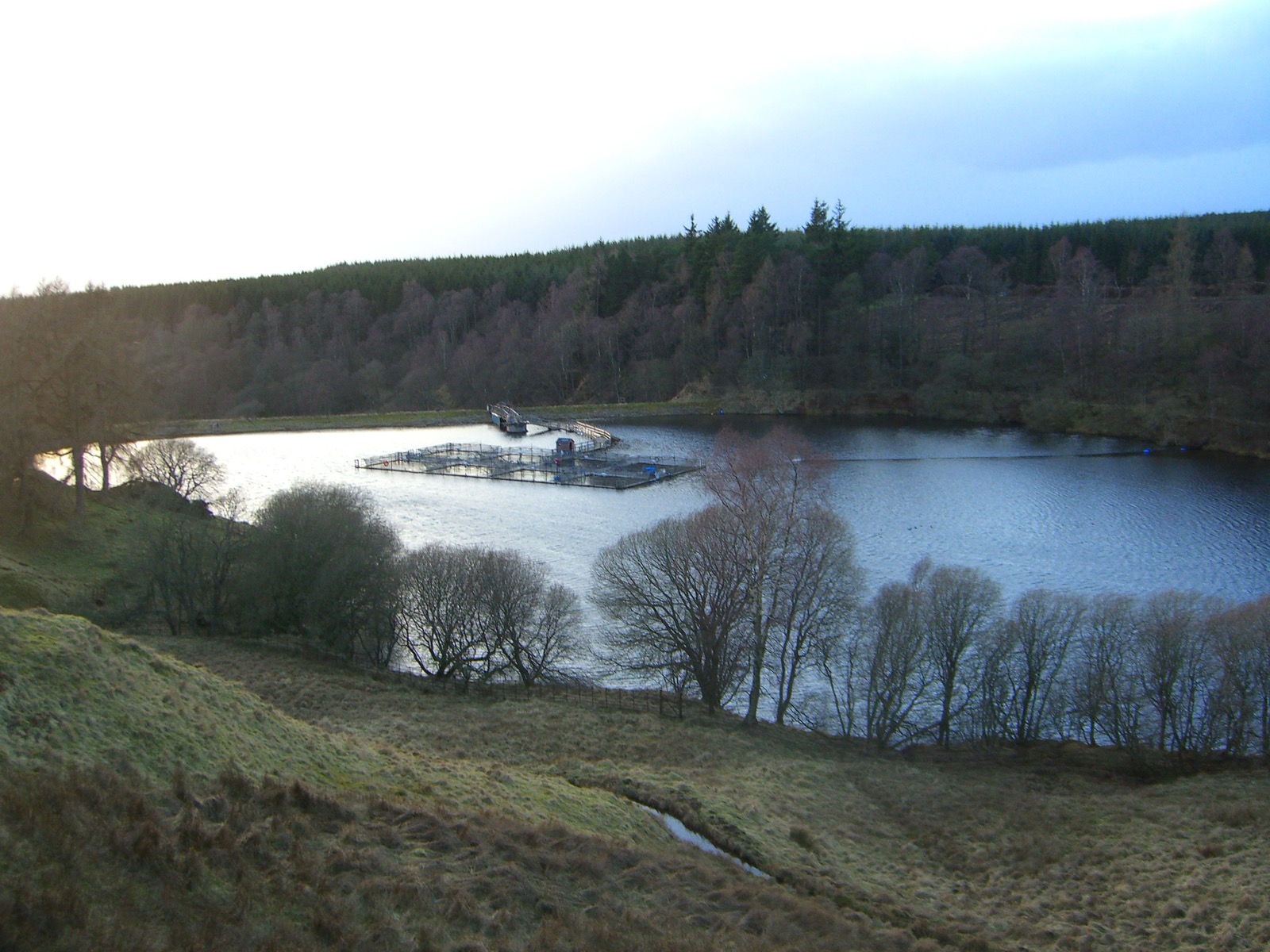 Water Network Monitoring
Water network monitoring solution for distributed water quality points, sensor systems and outdoor cabinets.
Pipe or bypass point / Outdoor station / Surface intake
Water Network Monitoring
Water network monitoring solution for distributed water quality points, sensor systems and outdoor cabinets.
Pipe or bypass point / Outdoor station / Surface intake
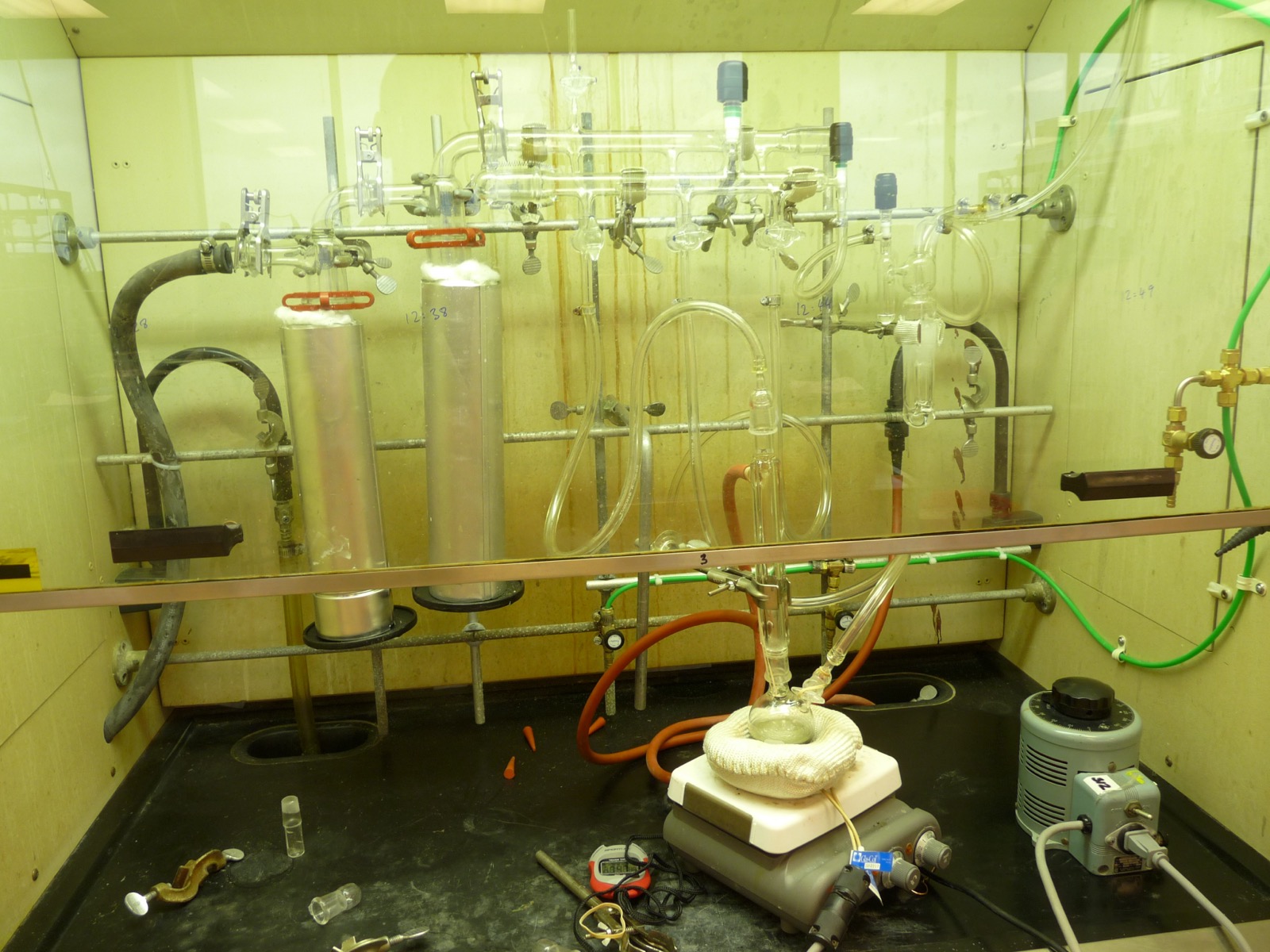 Laboratory Analysis Solution
Laboratory analysis solution for environmental testing, online monitoring verification and sample analysis projects.
Water laboratory / VOC and gas analysis / Sample preparation
Laboratory Analysis Solution
Laboratory analysis solution for environmental testing, online monitoring verification and sample analysis projects.
Water laboratory / VOC and gas analysis / Sample preparation
How Huisheng turns a vague project into a configuration discussion
The solution pages explain the project scene in practical terms. They do not simply repeat product categories. Each page breaks down monitoring objectives, monitoring points, equipment families, data flow and inquiry information.
Monitoring objective
Clarifies whether the project is for discharge supervision, process control, safety warning, source tracking, boundary monitoring or laboratory verification.
Configuration boundary
Shows which part belongs to sampling, pretreatment, analyzer, detector, cabinet, data acquisition, communication or documentation.
Product combination
Connects online analyzers, CEMS, VOC systems, gas detectors, samplers and laboratory instruments into a practical equipment scope.
Inquiry preparation
Lists the information needed before quotation so the customer can send range, site, standard, quantity and destination details clearly.
Every solution is reviewed as a system path.
Huisheng uses the same equipment-selection logic across different monitoring scenarios, but the final instrument scope changes according to medium, measuring range, site condition and reporting requirement.
Define the monitoring point
Outlet, stack, boundary, workshop, water network node or laboratory workflow.
Confirm parameters and range
COD, NH3-N, TP, TN, SO2, NOx, VOCs, dust, flow or laboratory indicators.
Review sample condition
Temperature, moisture, solids, dust load, corrosiveness, sampling distance and pretreatment need.
Match equipment and data
Analyzer, sampler, cabinet, CEMS, detector, data acquisition and reporting scope.