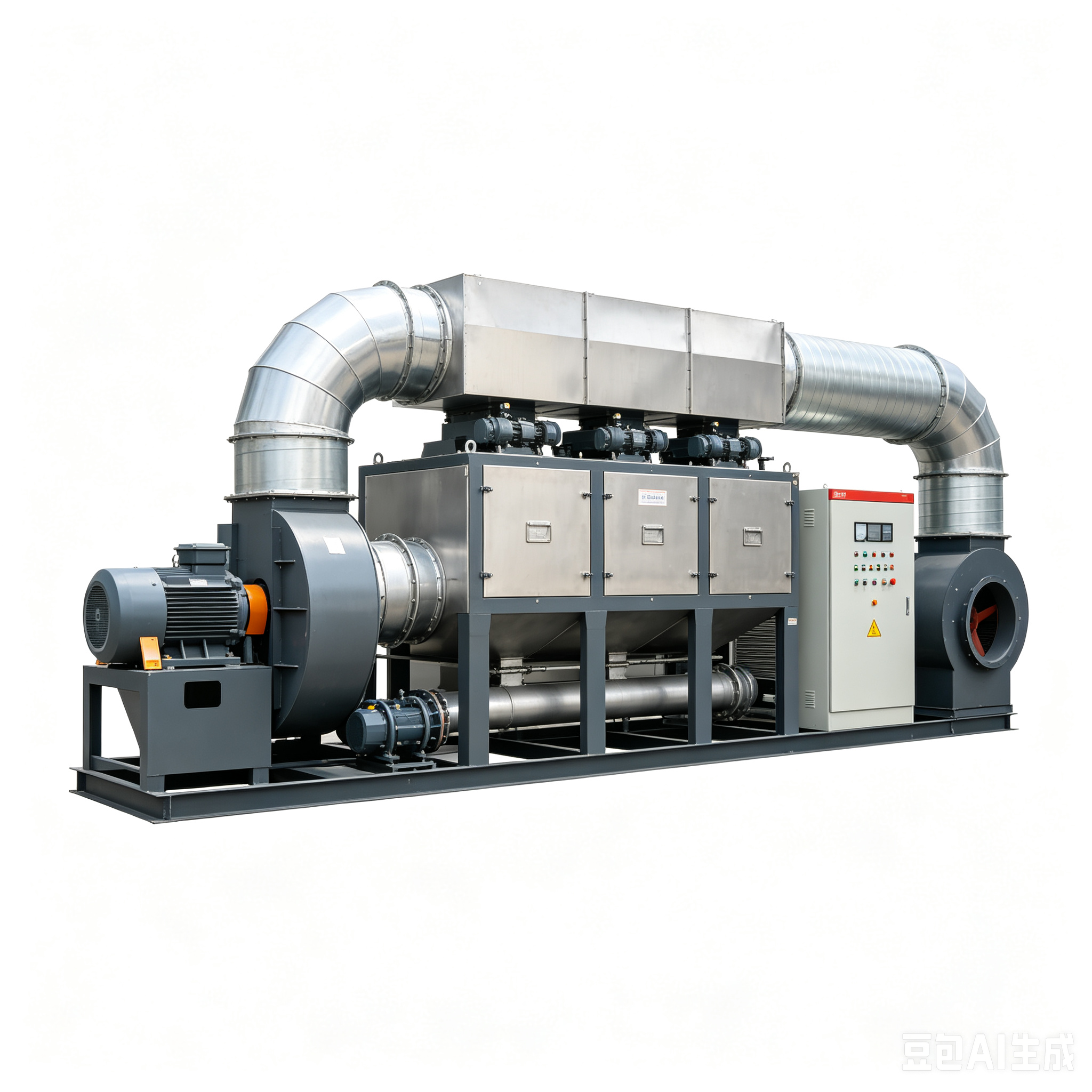
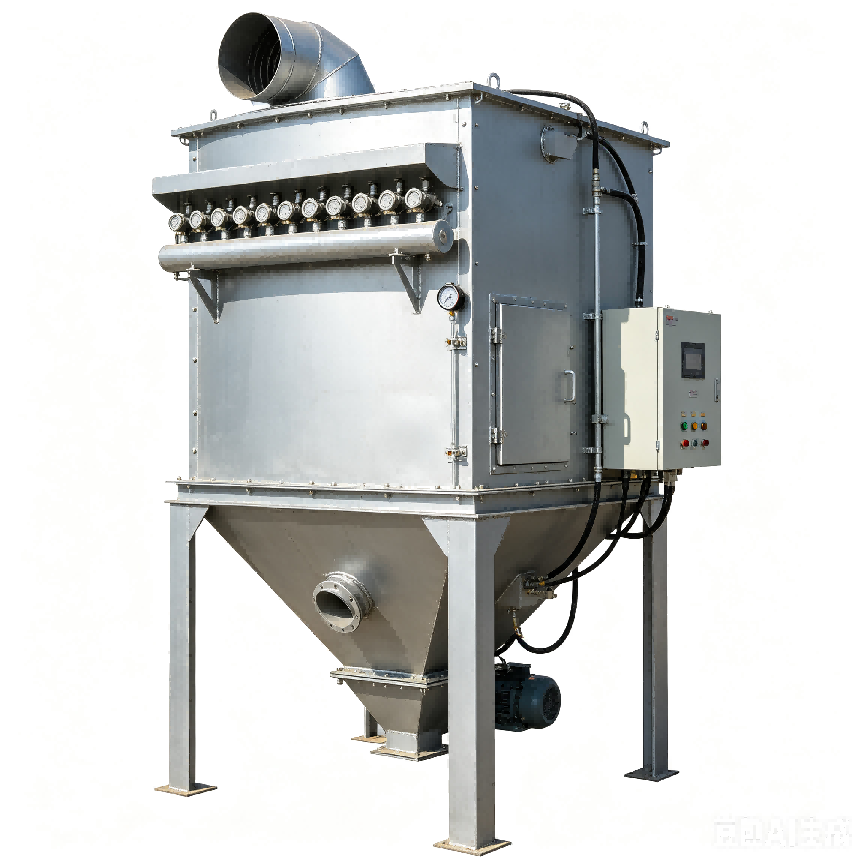
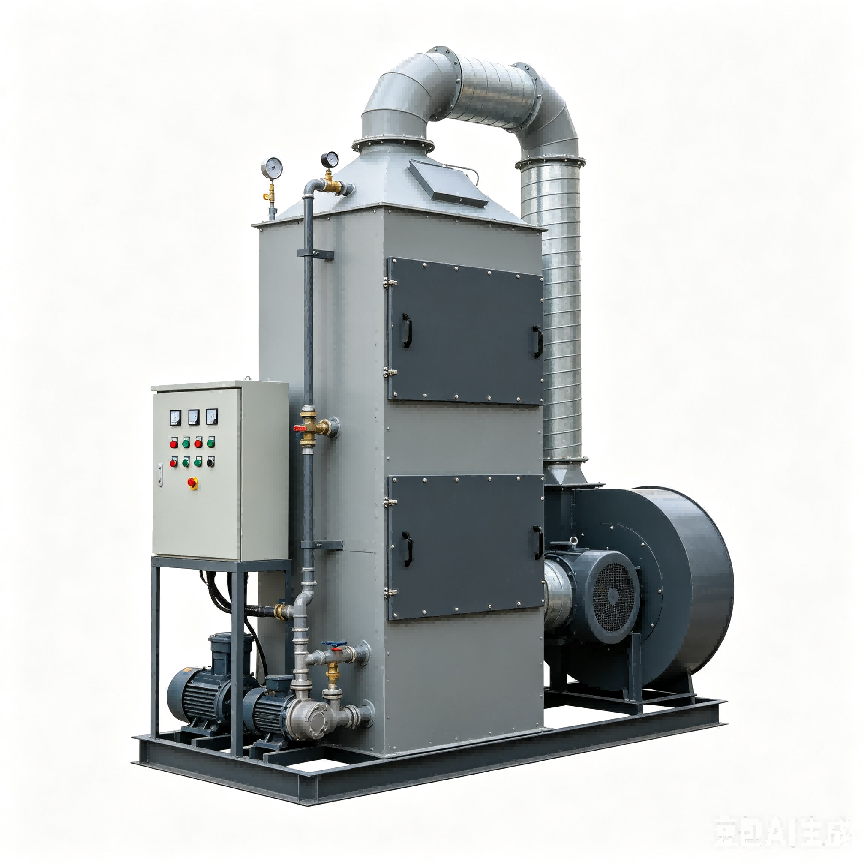
UV Photolysis Activated Carbon Equipment
Integrated UV photolysis plus activated carbon adsorption equipment for low-concentration industrial exhaust and odor treatment.
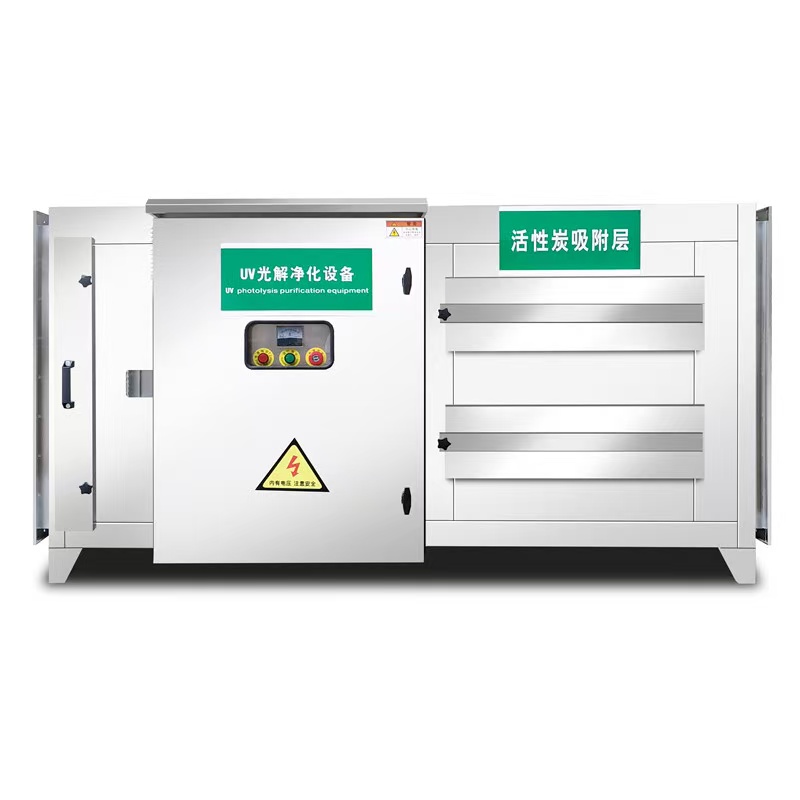
UV Photolysis Activated Carbon Equipment for pollution-control projects
Two-stage UV photolysis and activated carbon adsorption equipment for low-concentration VOC, odor and industrial exhaust gas treatment.
UV photolysis activated carbon equipment is discussed for low-concentration VOC or odor projects where a compact two-stage treatment unit is more suitable than catalytic combustion.
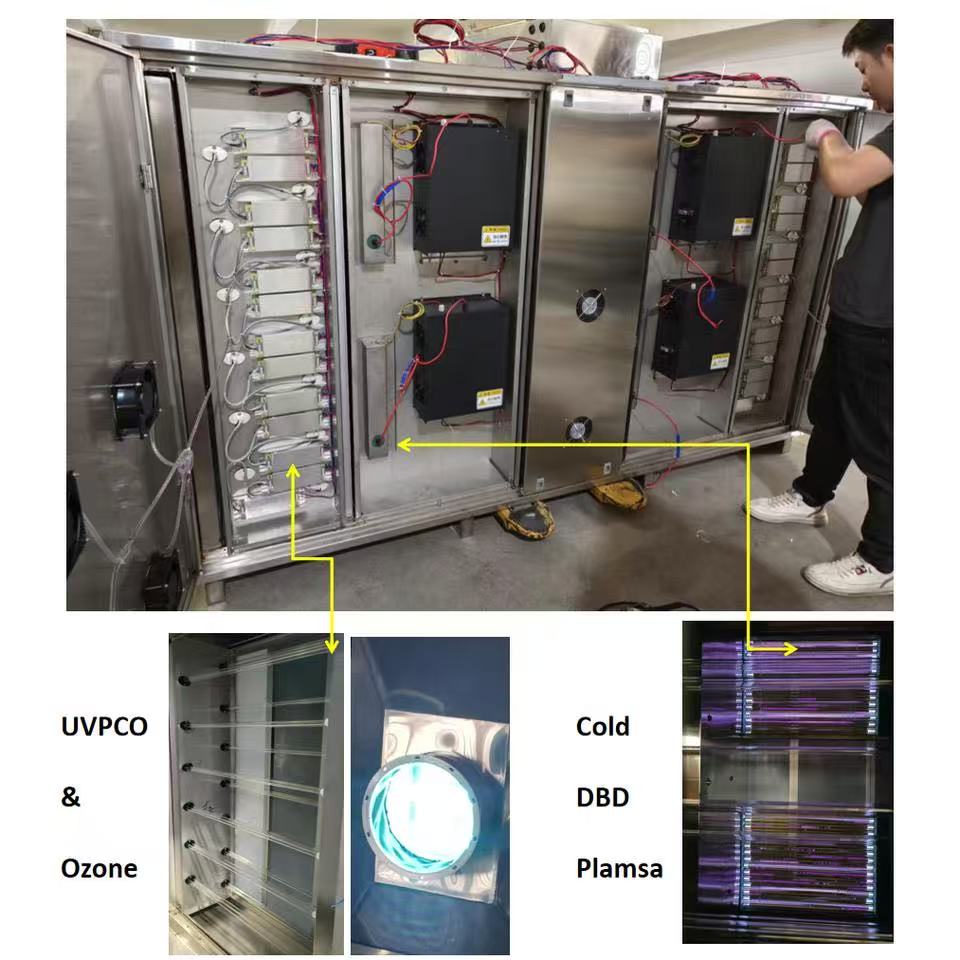
The product supports a two-stage process: exhaust gas first enters the UV photolysis section, where 185 / 254 nm UV lamps help decompose VOC or odor molecules, then passes through activated carbon adsorption for residual pollutants.
Equipment data from supplied material
This table keeps the equipment values, routes and material options stated in the supplied product material. Selection notes and related-product links elsewhere on the page are website guidance, not added hard specifications.
Supplied UV photolysis activated carbon integrated equipment material. Final sizing still depends on site conditions, but the values in this table are kept to the supplied material.
| Item | Specification / selection note |
|---|---|
| Treatment route | UV photolysis oxidation plus activated carbon adsorption |
| Typical air volume | 2000 / 3000 / 5000 / 10000 m3/h; project-specific customization can be discussed |
| UV wavelength note | 185 / 254 nm UV lamp route is listed in the document |
| Material options | Carbon steel for common applications or 304 stainless steel for anti-corrosion use |
| Maintenance items | Activated carbon replacement and UV lamp inspection |
| Typical use | Low-concentration VOC, odor and industrial exhaust treatment |
Configured around the actual treatment route
The treatment route is confirmed from the supplied equipment material, then sized by air volume, water volume, pollutant type, material requirement and site layout.
Project-specific wastewater, exhaust gas or pollution control applications
Air volume, water volume, pollutant type, temperature, humidity, corrosion and inlet condition affect configuration.
Treatment body, fans, ducts, pumps, control cabinet, safety protection and maintenance access are reviewed by route.
Hard parameters are kept to supplied product material; final sizing is confirmed by project condition.
Selection notes kept separate from source parameters
Huisheng reviews the treatment route, handled medium, capacity, material, outlet target and auxiliary systems before confirming a configuration. Documented values remain in the technical data table, while project pairing and monitoring-interface notes are treated as selection guidance.
Hard values are kept to the supplied product material. Project-specific sizing is treated as selection work, not as a new published parameter.
Exhaust gas, dust, odor, flue gas polishing or wastewater condition should be confirmed before choosing the treatment route.
Air volume, water volume, pollutant load and outlet requirement determine final equipment sizing.
Q235, 304 stainless steel, FRP, PP or anti-corrosion options are selected according to the documented material scope and site condition.
Fans, ducts, pumps, control cabinets, safety protection and monitoring interfaces are discussed as configuration notes.
Parameters and scope stated in supplied material
The items below summarize capacity, material, process route, efficiency or equipment-scope information from the supplied product material. Extra project advice stays in selection notes instead of becoming a published hard parameter.
2000-10000 m3/h
Air-volume range for compact UV photolysis and activated carbon units.
185 / 254 nm UV
UV lamp wavelength route used to decompose VOC and odor molecules.
Activated carbon adsorption
Activated carbon stage captures residual odor or organic pollutants after front treatment.
Carbon steel or 304 stainless steel
Material selection route for normal or anti-corrosion operating conditions.
Low concentration VOC
Application direction for lower-concentration organic exhaust or odor treatment.
Odor control
Used for odor and residual gas polishing after the main treatment stage.
How the equipment fits into a treatment route
Treatment equipment is configured by process route, pollutant type, air or water volume, material requirement and installation condition. Monitoring or sampling interfaces are considered only when the project needs them.
UV photolysis chamber
This part is configured according to the selected model and actual site conditions.
UV lamp tubes and photocatalytic section
This part is configured according to the selected model and actual site conditions.
Activated carbon adsorption section
This part is configured according to the selected model and actual site conditions.
Removable activated carbon box or filter
This part is configured according to the selected model and actual site conditions.
Fan and ducting connection
This part is configured according to the selected model and actual site conditions.
Inspection and maintenance access
This part is configured according to the selected model and actual site conditions.
Where this equipment is usually discussed
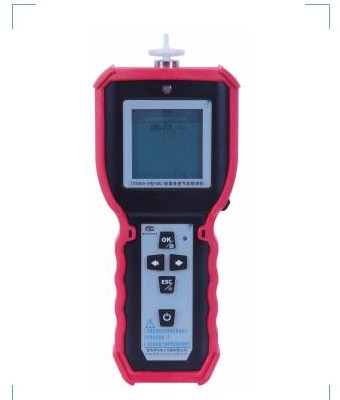
This equipment is discussed when the project needs monitoring or supporting treatment equipment matched with the actual site, medium, parameter and reporting requirement.
Used around process areas, storage zones and boundary points where VOC or hazardous gas monitoring is required.
Discussed as supporting equipment when pollution control and monitoring requirements are reviewed in the same project.
Discussed as supporting equipment when pollution control and monitoring requirements are reviewed in the same project.
Used around process areas, storage zones and boundary points where VOC or hazardous gas monitoring is required.
Discussed as supporting equipment when pollution control and monitoring requirements are reviewed in the same project.