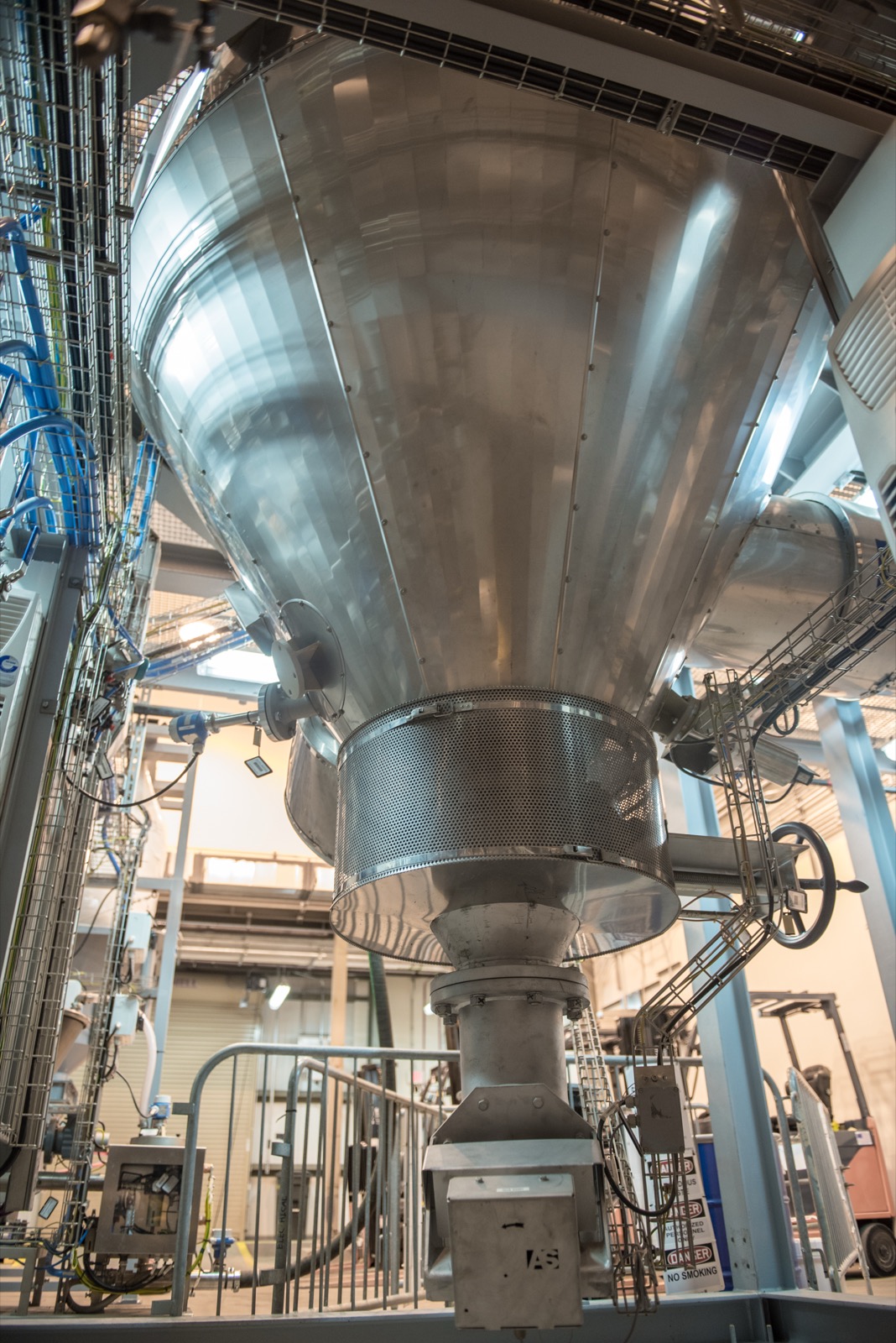
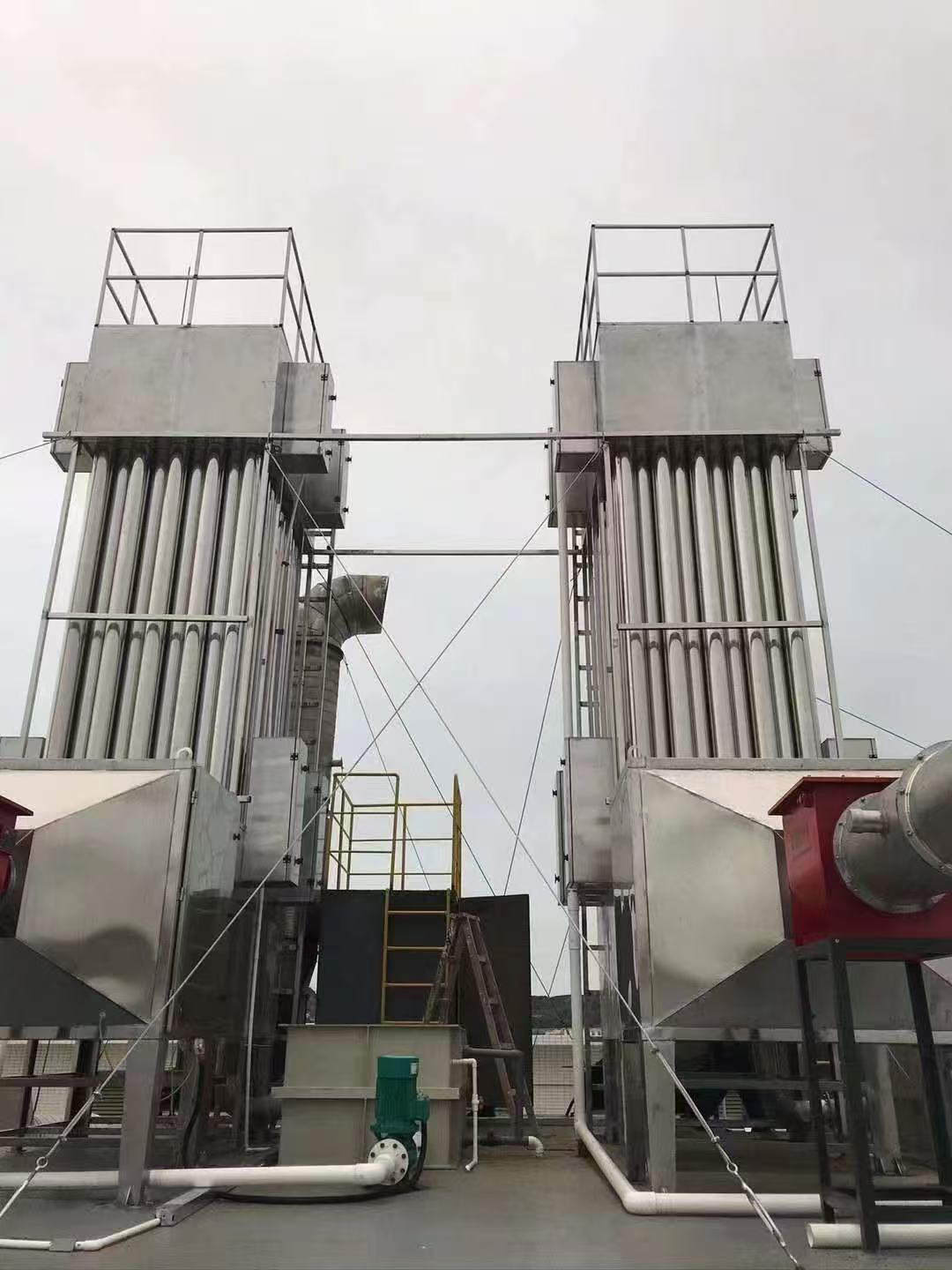
Baghouse and Cartridge Dust Collector
Baghouse and pulse cartridge dust collection equipment for industrial particulate and workstation dust-control applications.
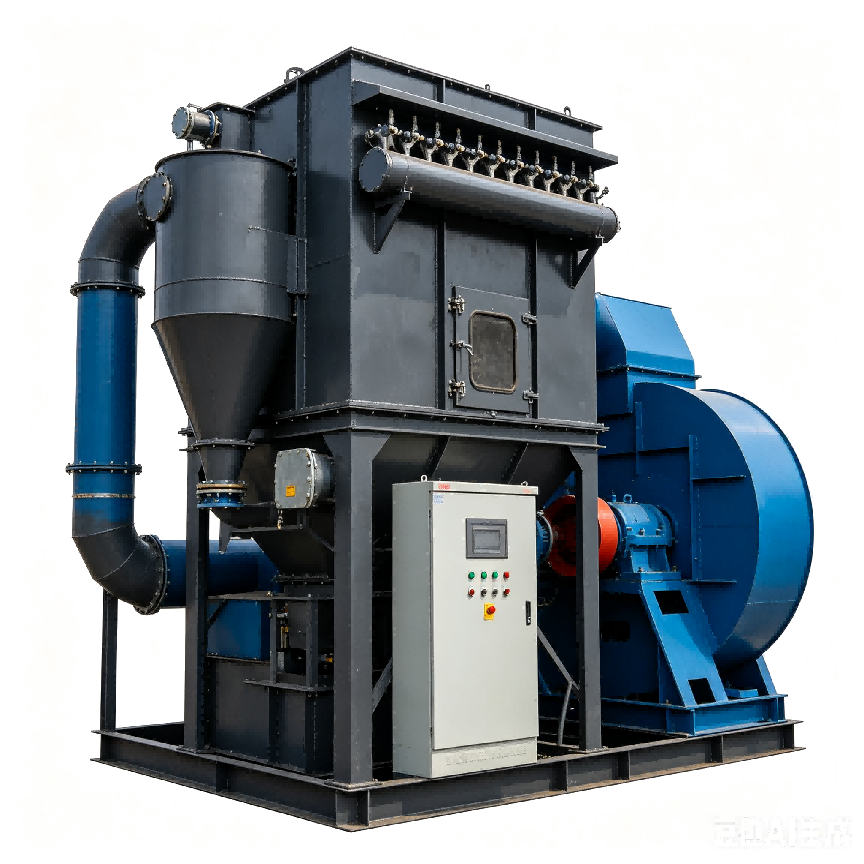
Baghouse and Cartridge Dust Collector for pollution-control projects
Bag dust collectors and pulse cartridge dust collectors for mining, crushing, sanding, cutting, polishing and workshop dust-control projects.
Baghouse or cartridge dust collection equipment is discussed when the project focuses on dry particulate control, workshop dust collection or process dust capture rather than gas-phase treatment.
The document separates bag dust collectors for larger dust-control projects and pulse cartridge dust collectors for smaller workstations. Baghouse air volume is listed around 4800-30000 m3/h, while cartridge equipment is listed around 1000-8000 m3/h.
Equipment data from supplied material
This table keeps the equipment values, routes and material options stated in the supplied product material. Selection notes and related-product links elsewhere on the page are website guidance, not added hard specifications.
Supplied baghouse and pulse cartridge dust collector material. Final sizing still depends on site conditions, but the values in this table are kept to the supplied material.
| Item | Specification / selection note |
|---|---|
| Baghouse air volume | 4800-30000 m3/h |
| Baghouse dust-removal efficiency | >=99.8% listed in the document |
| Baghouse filter velocity | 0.8-1.2 m/min |
| Baghouse material | Q235 thickened carbon steel |
| Baghouse filter material | Wear-resistant polyester needle-punched filter bag; waterproof / oil-proof membrane optional |
| Cartridge air volume | 1000-8000 m3/h |
| Cartridge efficiency | >=99.5% listed in the document |
| Cleaning method | Electromagnetic pulse automatic jet cleaning |
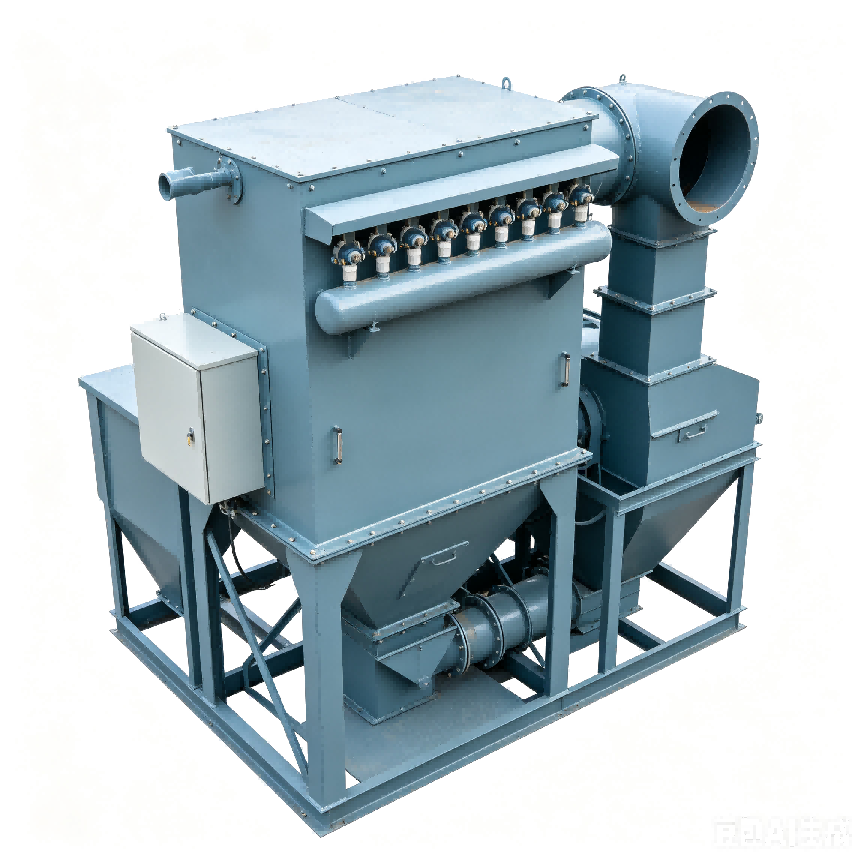
Configured around the actual treatment route
The treatment route is confirmed from the supplied equipment material, then sized by air volume, water volume, pollutant type, material requirement and site layout.
Project-specific wastewater, exhaust gas or pollution control applications
Air volume, water volume, pollutant type, temperature, humidity, corrosion and inlet condition affect configuration.
Treatment body, fans, ducts, pumps, control cabinet, safety protection and maintenance access are reviewed by route.
Hard parameters are kept to supplied product material; final sizing is confirmed by project condition.
Selection notes kept separate from source parameters
Huisheng reviews the treatment route, handled medium, capacity, material, outlet target and auxiliary systems before confirming a configuration. Documented values remain in the technical data table, while project pairing and monitoring-interface notes are treated as selection guidance.
Hard values are kept to the supplied product material. Project-specific sizing is treated as selection work, not as a new published parameter.
Exhaust gas, dust, odor, flue gas polishing or wastewater condition should be confirmed before choosing the treatment route.
Air volume, water volume, pollutant load and outlet requirement determine final equipment sizing.
Q235, 304 stainless steel, FRP, PP or anti-corrosion options are selected according to the documented material scope and site condition.
Fans, ducts, pumps, control cabinets, safety protection and monitoring interfaces are discussed as configuration notes.
Parameters and scope stated in supplied material
The items below summarize capacity, material, process route, efficiency or equipment-scope information from the supplied product material. Extra project advice stays in selection notes instead of becoming a published hard parameter.
1000-30000 m3/h
Combined documented range covering cartridge units and larger baghouse dust collectors.
>=99.5-99.8% dust removal
Dust-removal efficiency range listed for cartridge and baghouse routes.
Pulse cleaning
Automatic pulse jet cleaning keeps filter bags or cartridges usable during operation.
Q235 carbon steel
Main body material listed for the standard dust collector structure.
Filter bag / cartridge
Filtration media selected by dust load, workstation size and maintenance access.
Continuous operation
Operating advantage for dust-control points that need long running hours.
How the equipment fits into a treatment route
Treatment equipment is configured by process route, pollutant type, air or water volume, material requirement and installation condition. Monitoring or sampling interfaces are considered only when the project needs them.
Dust collector body
This part is configured according to the selected model and actual site conditions.
Filter bags or folded polyester cartridges
This part is configured according to the selected model and actual site conditions.
Pulse jet cleaning system
This part is configured according to the selected model and actual site conditions.
Galvanized cage or cartridge support
This part is configured according to the selected model and actual site conditions.
Electric control system
This part is configured according to the selected model and actual site conditions.
Star-type discharge valve where required
This part is configured according to the selected model and actual site conditions.
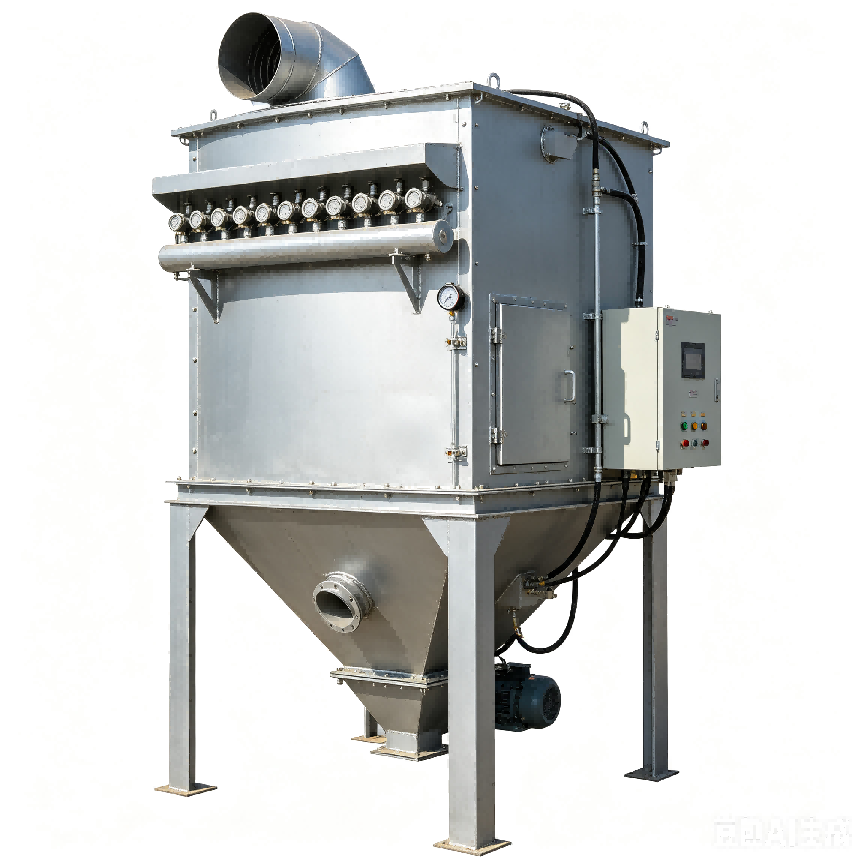
Where this equipment is usually discussed
This equipment is discussed when the project needs monitoring or supporting treatment equipment matched with the actual site, medium, parameter and reporting requirement.
Discussed as supporting equipment when pollution control and monitoring requirements are reviewed in the same project.
Discussed as supporting equipment when pollution control and monitoring requirements are reviewed in the same project.
Discussed as supporting equipment when pollution control and monitoring requirements are reviewed in the same project.
Discussed as supporting equipment when pollution control and monitoring requirements are reviewed in the same project.
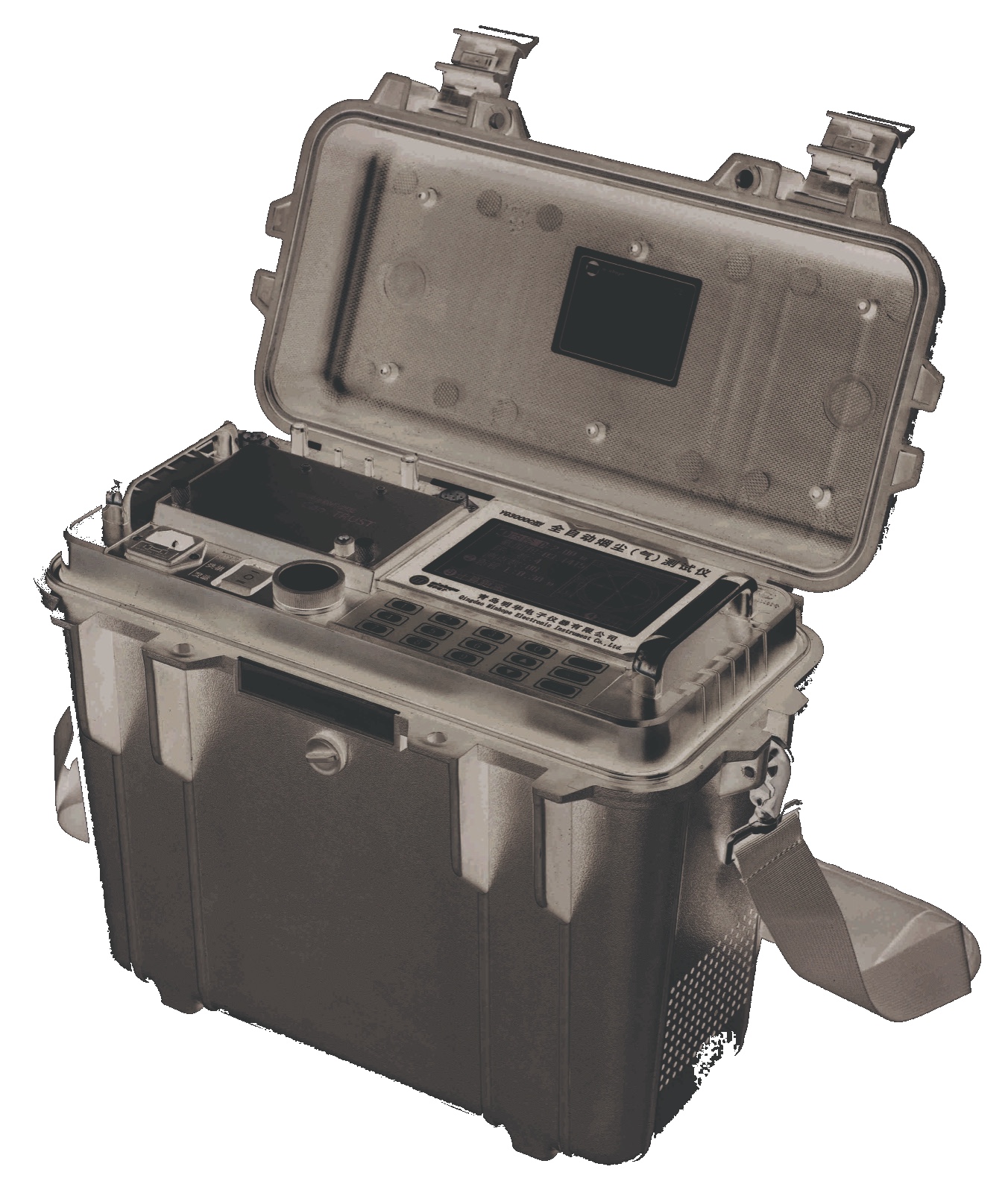
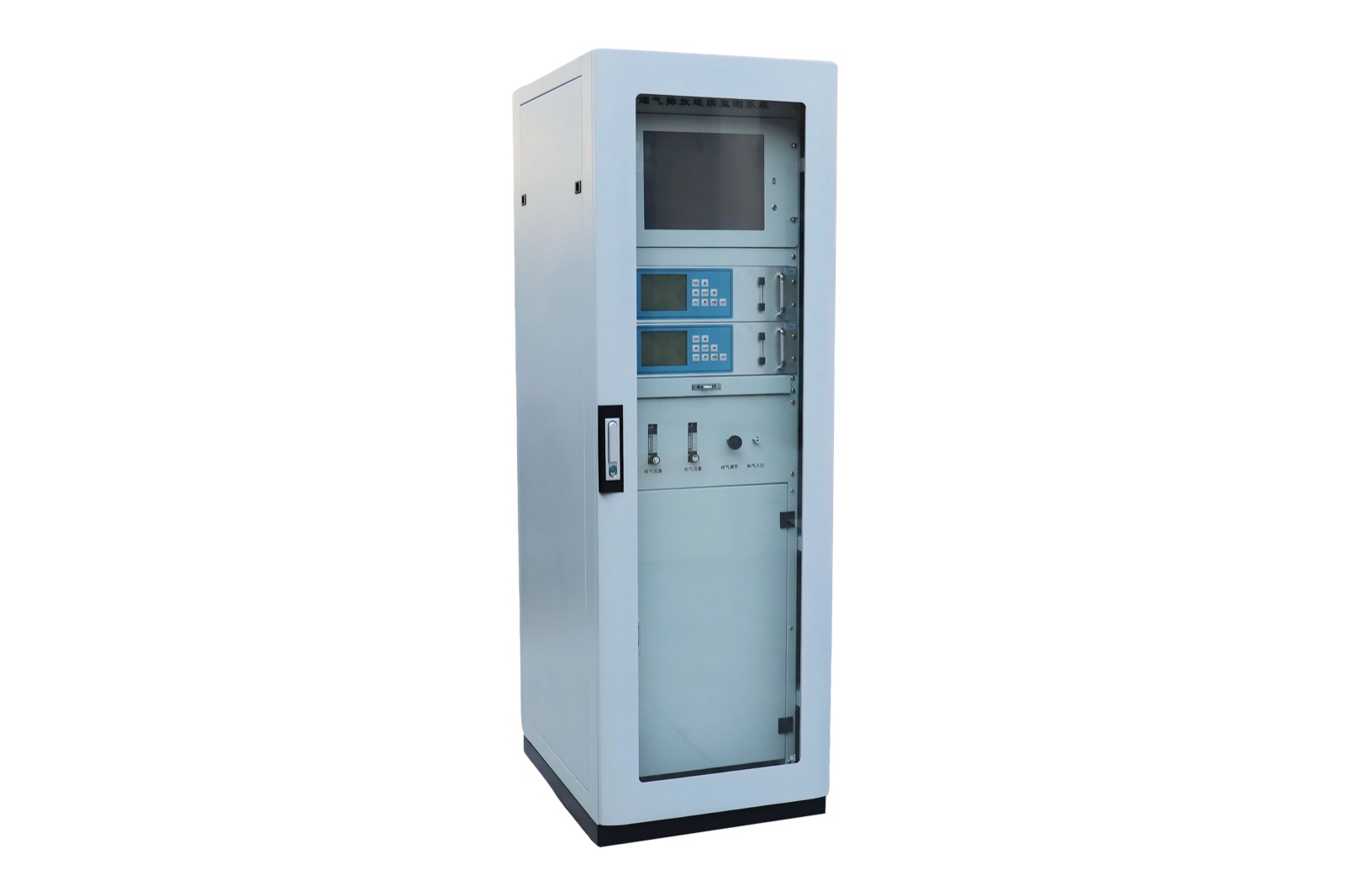
Applied at fixed emission sources where sample extraction, condition measurement and reporting output must work as one chain.